• Skip to main content
  • Skip to primary sidebar
  • Skip to footer

Vanilla Mist

Online Magazine

  • Home
  • About
  • LifeStyle
  • Fashion
  • Health
  • Tips
  • Budget
  • Travel
  • Contact Me

Anthony

6 Cosmetic Dentistry Solutions That Transform Everyday Smiles

March 16, 2026

A worn smile can drain your confidence in an instant. Chipped teeth, stains, or gaps may seem small, yet they can shape how you speak, laugh, and connect with others. You deserve a mouth that feels strong and looks natural. Modern cosmetic care makes that possible. Simple treatments can repair cracks, close spaces, and brighten dark teeth. Other options can reshape your bite and bring balance to your face. Santa Rosa dentistry now offers safe methods that fit into busy lives and tight budgets. This blog walks through six solutions that change how you see your smile every day. You will learn what each treatment does, how long it takes, and what you can expect after you leave the chair. The goal is clear. You should finish with enough knowledge to talk with your dentist and choose the next step with calm and courage.

1. Professional teeth whitening

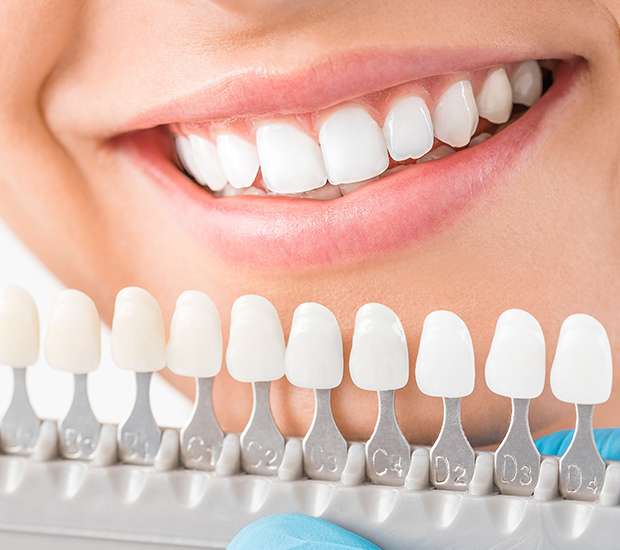
Food, drinks, and tobacco leave color that regular brushing cannot remove. Age also changes tooth color. Professional whitening lifts stains and lightens teeth.

You sit in a chair while a dentist places a safe gel on your teeth. Sometimes a light speeds the process. One visit often gives clear change. You may also receive trays to use at home.

Common reasons to choose whitening:

  • Yellow or brown stains from coffee, tea, or soda
  • Darkening from tobacco
  • Uneven color from past care

The American Dental Association explains how whitening works and why dentist guidance matters at MouthHealthy.org.

2. Tooth bonding

Bonding repairs small flaws with tooth colored resin. The dentist shapes the resin and hardens it with a light. The material blends with your teeth.

Bonding can:

  • Fix small chips
  • Cover stubborn stains
  • Close tiny gaps
  • Change tooth shape

Treatment often takes one visit. You stay awake and numb only if needed. Bonding costs less than many options and works well for front teeth that need quick repair.

3. Porcelain veneers

Veneers are thin shells that cover the front of teeth. They change shape, color, and length. You and your dentist plan the look together.

The process usually follows three steps.

  • Planning. You discuss your goals and review photos or models.
  • Prep. The dentist removes a small amount of surface enamel and takes a mold.
  • Placement. A custom shell bonds to each tooth.

Veneers help when:

  • Teeth look worn or uneven
  • Stains do not respond to whitening
  • Gaps or slight crowding bother you

The National Institutes of Health shares general information about tooth restorations.

4. Clear aligners and braces

Crooked teeth affect your bite and your smile. Straightening teeth improves chewing and makes cleaning easier. It also eases jaw strain for some people.

Two main choices exist.

  • Traditional braces use brackets and wires that the dentist adjusts over time.
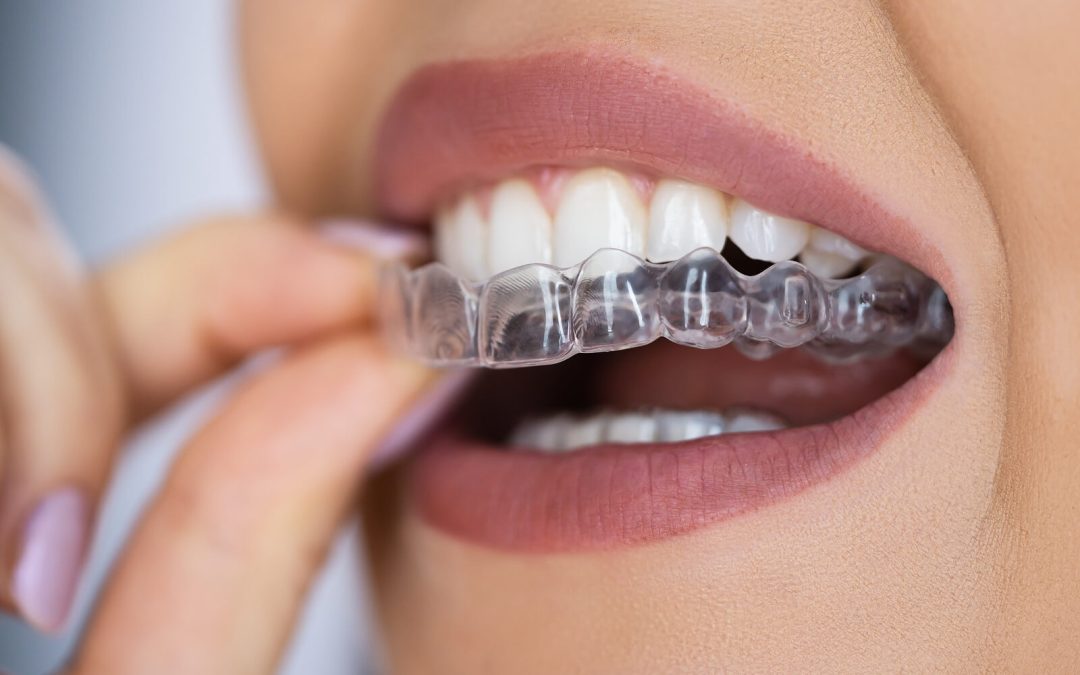
  • Clear aligners use a series of clear trays that move teeth step by step.

Clear aligners are removed for eating and brushing. Braces stay on your teeth. Both can treat crowding, gaps, and some bite problems.

5. Tooth colored fillings and crowns

Old metal fillings and broken teeth can draw unwanted attention. Modern fillings and crowns match natural tooth color. They protect weak teeth and improve your smile at the same time.

Tooth colored fillings repair smaller cavities. Crowns cover teeth with severe damage or cracks. Each crown is custom-made.

Reasons to consider these options:

  • Replace dark or worn metal fillings
  • Cover a tooth after a root canal
  • Strengthen a fractured tooth

6. Dental implants for missing teeth

A missing tooth affects chewing, speech, and facial support. An implant replaces the root and supports a crown that looks like a tooth. The implant fuses with the bone over time.

The process takes several months, yet the result often feels stable and natural. You care for the implant with daily brushing, flossing, and regular cleanings.

Implants can:

  • Fill a single gap
  • Support a bridge
  • Anchor a denture

Comparison of common cosmetic options

Treatment Main purpose Typical time Helps with


Whitening Lighten tooth color 1 to 2 visits Stains and yellow teeth
Bonding Repair small flaws 1 visit Chips, small gaps, spots
Veneers Change shape and color 2 to 3 visits Worn, uneven, dark teeth
Clear aligners or braces Straighten teeth 6 to 24 months Crowding, gaps, bite issues
Tooth colored crowns Strengthen and cover teeth 1 to 2 visits Cracks, large fillings
Implants Replace missing teeth Several months Single or many missing teeth

How to choose the right solution

You do not need to decide alone. A good next step is a simple talk with your dentist. Bring three things.

  • Your main concern, such as color, shape, or missing teeth
  • Your budget and time limits
  • Your health history and any medicines

Ask clear questions.

  • What options match my goals
  • How long will each option last
  • What care will I need at home

Your smile carries your story. With steady guidance and clear facts, you can choose care that fits your life and restores quiet confidence each time you look in the mirror.
Filed Under: Health

5 Reasons Clear Aligners Are Popular For Both Function And Aesthetics

March 13, 2026

Clear aligners changed how you think about straightening teeth. You no longer need metal brackets that cut or scratch. Instead, you use smooth trays that fit your mouth and your daily life. Many people want a better smile and a strong bite. You want both. Clear aligners promise that mix of function and appearance. They fit work, school, and family life. They also help you feel less exposed during treatment. You can remove them to eat and to clean your teeth. That helps your mouth stay healthy. You may still need other care, such as Van Nuys emergency dental treatment when pain or injury strikes. Even then, clear aligners often remain an option. This blog explains why these trays keep gaining trust. You will see how they protect comfort, support long-term health, and still respect how you look in every photo and every meeting.

1. You can keep your normal daily routine

Clear aligners match real life. You remove them to eat. You drink water with them. You brush and floss the way you always did.

This routine helps you avoid new habits that feel strange. Braces can trap food. Aligners come out, so you rinse them and clean your teeth. You lose less time in the bathroom. You also cut down on stains and bad breath.

For many adults and teens, this control reduces stress. You can plan meals, school events, and work meetings without extra worry about wires or broken parts. You still follow the wear schedule from your dentist or orthodontist. Yet you feel in charge of your mouth, not the other way around.

2. Cleaning is simple and supports long-term health

Strong teeth and gums matter more than a straight smile. Clear aligners support both. Since they are removable, you brush and floss in a normal way. That helps you avoid decay and gum swelling during treatment.

The Centers for Disease Control and Prevention’s oral health data show that many adults live with untreated tooth decay. Crowded teeth can make cleaning hard. Aligners can move teeth into better positions. That can make brushing and flossing more effective for years.

Here are three simple steps you follow with aligners.

  • Rinse aligners with cool water when you remove them.
  • Brush teeth twice a day with fluoride toothpaste.
  • Floss once a day to clear tight spots.

This routine keeps treatment on track and supports long-term health for your whole mouth.

3. Appearance stays natural during treatment

Many people avoid braces because they do not want metal on their teeth. Clear aligners use thin, clear plastic so your smile looks close to normal. People near you may not notice them in daily talk or photos.

This quiet look helps in three ways.

  • You feel more at ease at work or school.
  • You smile in photos without worry about glare from brackets.
  • You stay more open in social moments instead of hiding your teeth.

Teens may feel less teased. Adults may feel more confident in job talks, court dates, or family events. You keep moving toward your goal while life continues. That balance of function and appearance is one reason aligners appeal to many age groups.

4. Comfort and fewer urgent visits

Aligners use smooth plastic that rests against your teeth and gums. There are no sharp wires that poke your cheeks. There are no loose brackets that snap off when you eat something firm.

You might still feel pressure when you start a new set of trays. That pressure is a sign that teeth are shifting. Yet cuts and sores are less common than with metal appliances.

This can mean fewer unexpected visits. You still need regular checkups. You still need fast help if you have sudden pain or trauma. The smoother design, though, often reduces the number of urgent trips for broken parts.

Common differences between metal braces and clear aligners

Feature Metal Braces Clear Aligners
Look during treatment Visible brackets and wires Clear trays with low notice
Cleaning routine Brush around brackets and wires Remove trays and brush teeth normally
Eating Avoid many hard or sticky foods Remove trays. Eat normal foods with care.
Risk of cuts Higher from wires and brackets Lower from smooth plastic
Emergency repairs Broken wires or brackets more common Cracked or lost trays less common

5. Treatment can support jaw function and bite

Clear aligners do more than straighten front teeth. In many cases, they can improve how your teeth meet. A better bite spreads chewing forces across teeth. That can protect against wear, chipping, and strain on your jaw joints.

The National Institute of Dental and Craniofacial Research explains that poor alignment can affect chewing and comfort. Aligners can often address mild to moderate crowding and spacing. They can also treat some bite problems.

Here are three ways a better bite can help you.

  • Chewing feels more even from side to side.
  • Jaw joints may feel less stress during long meals.
  • Teeth may chip less since they no longer hit the wrong way.

You still need a full exam to see if aligners fit your needs. Some complex problems still call for braces or other care. Yet for many people, aligners give a strong mix of comfort, function, and appearance.

How to decide if clear aligners are right for you

You start with an honest talk with a dentist or orthodontist. Share your health history. Explain what you hope to change. Ask how long treatment might take and what results you can expect.

Three questions can guide you.

  • Will clear aligners treat my specific tooth and bite problems?
  • Can I commit to wearing trays as directed every day?
  • How will I handle costs, follow-up visits, and any urgent care?

When you have clear answers, you can choose with confidence. Clear aligners give many people a strong bite and a natural smile without drawing attention. With steady use and regular care, they can support a healthy mouth that feels stable and looks calm in every moment of your day.

Filed Under: Health

4 Common Restorative Options Available In General Dentistry

March 13, 2026

When you lose or damage a tooth, normal life changes fast. Eating feels harder. Smiling in photos feels forced. You might even avoid speaking up at work. Restorative care in general dentistry gives you a way back. It focuses on fixing what is broken, so your mouth can work again with less pain and less worry. You do not need to figure this out alone. Your dentist can walk you through clear options that fit your needs, your schedule, and your budget. You will learn how simple treatments can repair worn teeth, replace missing ones, and protect the teeth you still have. Turlock cosmetic dentistry also supports this repair by improving how your teeth look while they work better. This blog explains four common choices you can expect to hear about at a general dentist visit. You can use this guide to ask sharper questions and choose with confidence.

1. Tooth Colored Fillings

When decay eats into a tooth, a filling often gives the quickest fix. The dentist removes the soft decay, cleans the space, then places a tooth colored material. It bonds to the tooth and hardens under a bright light.

Here is what you can expect.

  • A local numbing shot so you stay comfortable
  • Cleaning out the decay and shaping the space
  • Layering the filling, then polishing the bite

Tooth colored fillings match your natural shade. They help you chew again with less fear of cracking that tooth. They also seal the tooth so new decay has less chance to grow in the same spot.

The Centers for Disease Control and Prevention explains that untreated cavities are common in adults and children. A simple filling often stops the damage and protects the nerve deep inside the tooth.

2. Dental Crowns

Sometimes a tooth is too weak for a filling. A crack, a large old filling, or root canal treatment can leave it fragile. In that case, a crown, also called a cap, can cover and protect the whole tooth above the gum.

During a crown visit, the dentist shapes the tooth, takes a mold or scan, and places a short-term crown. A lab then makes a custom crown that fits like a small helmet over the tooth. At the second visit, the dentist cements the new crown in place.

Crowns can

  • Protect teeth after root canal treatment
  • Strengthen teeth with large fillings
  • Improve the look of chipped or stained teeth

The National Institute of Dental and Craniofacial Research notes that once decay reaches deep layers, stronger support is often needed. A crown can give that support and extend the life of the tooth.

3. Dental Bridges

If you have a missing tooth, a bridge can close the gap. A bridge uses the teeth on each side of the space as supports. These support teeth get crowns. A false tooth connects between them as one solid piece.

A bridge can help you

  • Chew on both sides of your mouth again
  • Keep nearby teeth from tipping into the empty space
  • Fill the gap in your smile when you talk or laugh

A bridge does not come out at home. You brush and floss it, often with small threaders or special brushes. With regular cleanings and home care, many bridges last for years.

4. Dental Implants

An implant replaces a missing tooth from root to crown. The dentist or specialist places a small metal post into the jaw. Bone grows around it over time. After it heals, a crown attaches to the post. The result works like a natural tooth during chewing.

Implants can replace one tooth, several teeth, or help anchor dentures. They do not rely on nearby teeth for support. That means the dentist does not need to grind down healthy teeth to hold a bridge.

You may be a good fit for an implant if you

  • Have healthy gums
  • Have enough bone to hold the post
  • Do not use tobacco or are willing to quit

Comparing Common Restorative Options

Treatment Main Purpose Best For Stays In Mouth Effect On Nearby Teeth


Tooth Colored Filling Repair small to medium cavities Teeth with early or moderate decay Yes Leaves nearby teeth untouched
Crown Strengthen weak or cracked tooth Teeth with large decay or after root canal Yes Covers only the damaged tooth
Bridge Replace one or more missing teeth Gaps with healthy teeth on both sides Yes Requires shaping support teeth for crowns
Implant Replace full tooth root and crown Single or multiple missing teeth Yes Does not touch nearby teeth

How To Choose The Right Option

You face real choices. Each treatment has tradeoffs in cost, time, and long-term strength. You do not need to guess. You can ask your dentist three clear questions.

  • What happens if I do nothing
  • How long will this option likely last
  • What home care will this choice need

Your medical history, family needs, and budget all matter. A filling might help for now. A crown might give stronger support. A bridge or implant might protect your bite and jaw for many years.

Planning Your Next Step

Restorative care is not just about teeth. It protects how you eat, speak, and connect with people you love. When you repair damaged teeth, you protect your health and your self-respect. You also help your child or partner see that caring for teeth is worth the time.

You can start with a simple exam and X-rays. Then you can talk through these four options with your dentist. With clear questions and honest answers, you can choose the path that fits your mouth, your life, and your peace of mind.

Filed Under: Health

How Family Dentistry Brings Comfort Through Familiar Environments

March 11, 2026

A familiar office can calm a racing mind. When you visit a Norfolk family dentist, you see the same faces, hear the same voices, and know what to expect. That steady setting lowers fear and helps you breathe easier in the chair. Children watch parents sit through cleanings and learn that care is safe. Teens ask questions they might hide in a new office. Older adults keep trust with one team that knows their history. Each visit builds a shared story. Simple routines like a friendly greeting, a steady checkup flow, and clear explanations turn a cold clinic into a safe place. You stop bracing for bad news. You start planning care with people who remember you. This blog explains how that steady home for dental care eases tension for every age in your family.

Why a familiar setting reduces fear

Many people feel worry before a dental visit. You might fear pain. You might feel shame about your teeth. You might fear a large bill. A steady office cannot erase every concern. Yet it can soften each one.

When you return to the same practice, your brain links that space with past visits that went well. That pattern sends a clear signal. You were safe last time. You can be safe again. Over time your body reacts less to the sound of tools or the smell of the room. Your heart rate slows faster. Your shoulders loosen sooner.

Trust grows when you know who will touch your mouth and who will talk with you. You no longer struggle with small talk with strangers while you feel exposed in the chair. You already know how the team speaks and how they answer questions. That steady relationship gives you more control during each step of care.

Comfort for children learning about care

Children watch every move you make. When they see you walk into the same office with a calm face, they learn that the visit is part of normal life. They see the same posters on the wall and the same toys in the waiting room. That steady picture cuts surprise and fear.

Young children also need clear routines. A family practice can use the same order each time. First a short hello. Then a quick look. Then gentle cleaning. Then a small prize. That simple pattern teaches your child what comes next. Unknown steps often hurt more than any tool.

Over time your child learns the names of staff. Staff learn your child’s fears and habits. One child may need more time before sitting in the chair. Another may need music. A familiar team can plan for those needs without long talks at each visit.

Support for teens and young adults

Teens face new pressures. They may feel worried about looks, breath, or braces. They may hide pain or bleeding gums. When a teen meets a new dentist every few years, trust breaks. Questions stay inside.

A family dentist who watched that teen grow from early school years can speak with more honesty. The team already knows sports, snacks, and sleep habits. That history opens the door to real talks about vaping, sugar drinks, or mouth guards.

Teens also gain power when they know the space. They can check in alone. They can speak with staff without a parent in the room if they choose. That shift from child to young adult feels smoother in a place that already knows them.

Stability for adults and older adults

Many adults carry long memories of past pain in a dental chair. A steady family office can help rewrite those memories through patient, repeated visits that go well. Each short, calm visit chips away at old fear.

For older adults, a familiar practice can catch slow changes in health. Staff may notice if speech sounds different, if weight drops, or if you seem more tired. That watchful eye can prompt a needed visit with a doctor. You gain another layer of safety from people who see you often.

Continuity also helps when you manage long term conditions like diabetes or heart disease. A family dentist who has seen you for years understands how your mouth responds over time. That record supports more timely referrals and safer planning.

How familiar routines reduce stress

Comfort comes not only from familiar faces. It also comes from clear routines. When you know each step, you spend less energy guessing and more energy coping.

Common helpful routines include three simple pieces.

  • Same check in steps for every visit
  • Same order of exam and cleaning
  • Same way of sharing results and next steps

Research from the National Institute of Dental and Craniofacial Research shows that fear often leads people to delay care. That delay raises the risk of tooth loss and pain. A steady pattern at a family office can break that cycle. When visits feel routine, you are more likely to return on time.

Comparison of family dentistry and rotating offices

The table below shows how a stable family practice compares with changing offices across several everyday points.

Feature Family dentistry with familiar setting Rotating or one time offices


Trust over time Grows with each visit as staff learn your story Resets at each new office with new staff
Anxiety level Often drops as routines and faces stay the same Often stays high due to new sights and sounds
Care for children Builds steady habits and comfort from early years May cause confusion and fear about what to expect
Record continuity One office tracks changes and patterns across years Records may split across systems and locations
Communication style Team adapts to your needs and learning style Team must learn your style from the start each time
Emergency response Staff already know your history and can act faster Staff must gather history during a stressful moment

Familiar care and your long-term health

Regular care does more than keep teeth clean. It connects to your whole body. The Office of Disease Prevention and Health Promotion stresses that ongoing dental visits support better health outcomes.

When you feel safe in a familiar office, you are more likely to keep those regular visits. That steady pattern helps catch decay early. It helps manage gum disease before it harms bone. It also supports screening for mouth cancer and signs of other conditions.

Trust in one place also makes it easier to speak up about money worries. A family dentist who knows you can help set plans that match your budget. That honest talk can prevent long gaps in care.

Choosing comfort for your family

You deserve care that feels calm and human. You also deserve a team that knows your story and treats it with respect. A family practice that offers a familiar space can give that kind of comfort.

When you look for a dental home, pay attention to three core signs. Notice whether the staff remember your name. Notice whether they explain each step before they start. Notice whether your child seems more at ease on each return visit. Those small signs show that the office is becoming a steady part of your life.

A familiar setting cannot erase every fear. It can still give you a place where worry has less power. With each visit, you and your family can move from dread to routine. That shift supports better care, less pain, and more control over your health.

Filed Under: Health

5 Ways Oral Surgeons Help Patients Overcome Dental Anxiety

March 10, 2026

Dental anxiety can feel like a wall between you and the care you need. Your heart races. Your jaw tightens. You picture pain and lose sleep before every visit. Many people carry a bad memory from childhood or worry about losing control in the chair. You are not weak. Your fear is a normal response to past hurt and uncertainty. Oral surgeons understand this. They plan every step to protect your comfort and sense of control. They use plain language, quiet rooms, and safe medicine to lower your fear. They listen before they touch a tool. They give you choices so you can pause or stop. In New Braunfels, TX oral surgery teams see anxious patients every day. They do not judge you. They expect your fear. Then they use training, careful planning, and steady care to help you move from dread to relief.

1. They listen to your story and create a clear plan

Anxiety grows in silence. It eases when you feel heard. Oral surgeons start by asking about your past care and current fears. They listen for three things.

  • What hurt you before
  • What you fear most now
  • What helps you feel safe

They then walk you through a step-by-step plan. You learn what will happen, how long it will take, and what you can do if you feel afraid. You also hear what pain control and calming options fit your health history.

The National Institute of Dental and Craniofacial Research explains that clear information can reduce fear and help you accept care. When you know the plan, your body loosens. Your mind stops filling in the gaps with worst-case thoughts.

2. They use gentle medicine to calm your body and mind

Some fear will not fade with words alone. Oral surgeons use medicine to calm both your body and your thoughts. They match the type of support to your level of fear and your health.

Common calming options during oral surgery

Option How you feel Common use


Local numbing medicine You stay awake. You feel pressure but no sharp pain. Simple extractions and small procedures
Nitrous oxide gas You feel calm and less aware of worry. Mild to moderate anxiety
Oral calming pill You feel sleepy and less tense. Moderate anxiety or long visits
IV sedation You drift into a light sleep. You often remember very little. Strong anxiety or complex surgery

Every option has clear safety steps. Staff check your heart rate, breathing, and comfort. They stay at your side from start to finish.

3. They design the setting to feel calm and predictable

The room can raise or lower your fear before anyone speaks. Oral surgeons know that sights, sounds, and smells can trigger old memories. They adjust three main parts of the setting.

  • Noise. They limit loud sounds. They may offer music or white noise.
  • Light. They soften bright lights. They use eye shields when needed.
  • Movement. They keep tools out of sight until needed. They explain each motion.

You can ask for small changes that matter to you. You might want a blanket, a support person in the room, or a hand signal to pause. The surgeon and team accept these requests as part of your care, not as a burden.

4. They use simple language and steady education

Confusing words feed fear. Plain language reduces it. Oral surgeons explain your condition and treatment in short, clear sentences. They avoid complex terms. They use models or drawings so you can see what they mean.

They often follow a three-step pattern.

  • Tell you what will happen next
  • Show you or describe it in simple terms
  • Check that you understand and agree

The Centers for Disease Control and Prevention stresses that regular dental care protects your health. Education helps you see treatment as a step toward strength, not just a source of pain. When you understand why a procedure matters and how it will feel, your sense of dread often drops.

5. They give you control before, during, and after surgery

Loss of control is one of the strongest triggers for dental anxiety. Oral surgeons work to give control back to you at every stage.

Before surgery, you help choose timing, calming options, and pain control. You agree on a clear signal you can use to pause treatment. You know who to call if fear spikes the night before.

During surgery staff watches your face, your hands, and your breathing. They pause to ask how you feel. They remind you that you can stop. They adjust medicine if needed. You are not a passive body in a chair. You are an active partner.

After surgery, you get clear written instructions. You learn what pain and swelling are normal, what warning signs to watch for, and when to call. You also review what went well. This helps your brain store a new, safer memory of dental care.

Taking your next step with less fear

Dental anxiety does not have to control your health. You can start small. You can schedule a visit with an oral surgeon with no treatment planned. You can share your story and ask what support they offer. You can bring a list of questions and fears.

Each respectful visit starts to weaken old fear. Each pain-free or low-stress procedure builds new trust. Over time, the thought of care may still stir nerves, yet it does not stop you.

You deserve a mouth that lets you eat, speak, and smile without pain. You also deserve respect for your fear. Oral surgeons are ready to offer both.


Filed Under: Health

10 Questions To Ask An Estate Planning Lawyer Before You Start

March 2, 2026

Facing decisions about your will, your home, and your savings can feel heavy. You want to protect the people you love. You also want clear answers. Before you sign anything, you need an estate planning lawyer who listens, explains, and respects your choices. Careful questions help you see if someone is the right fit. They show how the lawyer works, how they charge, and how they will guide you when things get hard. This blog shares 10 direct questions to ask before you start. Each question gives you power in a room that can feel cold. It helps you spot red flags early. It also helps you notice when someone earns your trust. Whether you already spoke with lisa-law or you are still searching, these questions can steady you. You do not need to guess. You can walk in ready.

1. How much of your work is estate planning

You should know if this is the lawyer’s main focus or only a small part of what they do. Ask what share of their cases involve wills, trusts, and powers of attorney. Then ask how many plans they completed in the past year.

You want someone who sees many family situations. That experience helps them spot gaps in your plan. It also helps them explain choices in plain words.

2. What documents do you think I need

Every person does not need the same set of papers. A simple plan often includes three items.

  • Will
  • Financial power of attorney
  • Health care directive or living will

The lawyer should connect each document to your goals. For example, a will controls who receives your property. A power of attorney lets someone you trust act for you if you cannot. You can read more about these papers from the National Institute on Aging.

3. How do you charge and what will this cost me

Money talk should be clear and calm. Ask if they charge a flat fee or an hourly rate. Then ask what the fee covers.

Common Estate Planning Fee Types

Fee Type What It Means What To Ask


Flat fee One set price for the full plan What is included and what is extra
Hourly rate Price based on time spent How many hours a typical plan takes
Hybrid Flat fee for the plan plus hourly for special work When the hourly rate applies

Also ask about filing costs and future changes. You do not want surprise bills later.

4. How will you learn about my family and my goals

A good plan starts with careful questions about your life. Ask how the lawyer gathers that information. Do they use a worksheet. Do they meet with you more than once. Do they invite your spouse or partner.

You should feel heard. The lawyer should ask about children, stepchildren, former spouses, and any person you support. They should also ask about your health, your home, your savings, and any debts.

5. How do you handle minor children or dependents

If you care for children or adults who depend on you, this question matters. Ask how to name a guardian. Then ask how money for a child will be managed.

The lawyer should explain options in clear terms.

  • Guardianship for daily care
  • Trusts to hold money for a child
  • Special needs trusts if a loved one receives disability support

You can review basic guardianship guidance from your state courts. Many state court sites list forms and plain language guides. For example, see the Massachusetts Probate and Family Court resources.

6. What happens if laws or my life change

Your plan should not stay frozen. Ask how often you should review it. Common times include after marriage, divorce, birth, death, or a move to another state.

Then ask what the lawyer charges for updates. Some offer lower fees for changes within a set time. Others treat each update as a new project. You need to know so you can plan.

7. How will you help my family when I die or if I become unable to act

Ask what support the lawyer will give your family later. Will they help your executor through probate. Will they meet with your agent named in the power of attorney. Will they explain steps in plain words.

Your family should know who to call. The lawyer should store your documents in a safe way and tell you how your loved ones will access them when needed.

8. Who will work on my plan and how will you talk with me

You deserve to know if you will meet the lawyer each time or mostly work with staff. Ask who drafts documents, who reviews them, and who answers your calls.

Then ask how you can reach them. Some people want email. Others want phone calls. The office should explain how fast they respond and how they share drafts with you.

9. How do you help prevent family conflict

Money and grief can strain families. Ask how the lawyer designs plans that lower conflict. Do they suggest family meetings. Do they write clear instructions that leave less room for fights.

The lawyer should talk about ways to share your choices with your family now. That talk can feel hard. Yet it can spare your loved ones from confusion later.

10. What happens next if I decide to hire you

End with a process question. Ask what the next month looks like if you say yes. A clear answer should cover three steps.

  • First meeting and information gathering
  • Draft documents and review with you
  • Final signing with witnesses and a notary

Ask how long the full process takes. Many plans finish in a few weeks once you respond to questions. You can also ask what you should bring to the first meeting. That often includes a list of your property, account statements, and names of people you trust.

Closing thoughts

You do not need to be rich to need an estate plan. You only need people you care about and things you want to protect. These ten questions keep you in control. They help you find a lawyer who respects your voice and your story. When you walk into that office with your questions ready, you do more than plan for death. You show love in a clear and steady way for the people who will carry your name forward.


Filed Under: Tips

Thinking About a Vacation Rental on Your Property? Here’s How to Start Off Right

February 6, 2026

There’s something undeniably appealing about having a little getaway just steps from your back door—or even better, extra income rolling in from a tidy guest cottage or lakeside cabin. Turning a slice of your land into a vacation rental is a dream for plenty of homeowners. But between blueprints, guest expectations, and the wild cards that pop up during construction, you’ll want to nail a few basics before posting those dreamy “Now Accepting Guests!” photos online.

Start with the Rules (Yep, the Boring Part)

Before your inner Joanna Gaines kicks in, check your local zoning laws. Some neighborhoods are stricter than a librarian with a hangover—others are free and easy. Call your city planning office, double-check HOA rules, and peek at short-term rental restrictions. The last thing you want is to start building only to discover the whole project’s a non-starter.

Dream Small—But Dream Smart

You don’t need to break the bank on a sprawling villa. Smaller spaces, like one-bedroom cottages or quirky tiny homes, are huge hits with renters searching for something special. Sketch a plan that favors cozy and functional. Think good insulation, quality weatherproofing, and layouts that make every square foot pull its weight.

Think Like a Guest

Before you start hammering nails or tiling walls, walk your property as if you’re a traveler. What would you want to see? What would make you feel at home? Lighting at the entryway, a clear path from the parking spot, and a bit of privacy—all of these little details can make or break a stay. Keep things low-maintenance. Durable flooring and simple landscaping will save you more headaches than the fanciest sprinkler system ever could.

Construction Crew? Build in Security and Communication

Construction is messy business, both for your yard and your nerves. Invest in a reliable construction site security system. There’s no thrill in waking up to missing tools, half-installed windows, or curious neighbors poking around after hours. These systems don’t just ward off would-be thieves; they keep contractors honest and can even help you track the project when you’re stuck at work.

Plus, keep the lines of communication open—meet the builder on-site, walk through the plan, and check in regularly. It’s way easier to catch a mixed-up paint color on day three, not day thirty.

Furnish For Comfort, Not Show-Offs

Fluffy towels, blackout curtains, a real coffee maker (not just a kettle), and sturdy furniture: these count for more than designer wallpaper. Stock the kitchen with basics, toss a few board games in the closet, and add weather-appropriate extras—a fire pit, extra fans, umbrellas. Details matter more than square footage.

Make It Guest-Proof

Smart locks, easy instructions, labeled light switches, and “how-to” guides for appliances save a world of headaches. The easier you make it for guests to settle in (and reset Wi-Fi or troubleshoot a stubborn stove), the more five-star reviews you’ll bank.

Plan for Growth (and Surprises)

Power, water, and Wi-Fi—run extra lines for when demands grow. Want a hot tub someday? Lay the groundwork now. And don’t forget to keep the vibe welcoming for neighbors, too. Friendly fencing, signage, and low-key landscaping say “welcome,” without turning your yard into a hotel.

In the end, building a vacation rental is about balancing your vision with a dose of real-world planning. With care (and a side of security), you can turn your property into a favorite retreat—for guests and for you.


Filed Under: Travel

What to Know Before Traveling for Surgery: Real Talk and Tips

February 6, 2026

Thinking about traveling for a surgery? Maybe you’ve been Googling the best specialists, eyeing out-of-state hospitals, or dreaming of a seaside recovery after your procedure. Whatever the reason, medical travel has picked up steam lately—especially for folks looking for something specific, like a top-notch board-certified facial plastic surgeon or a specialized orthopedic expert.

But before you buy a suitcase and set up your first post-op selfie, it’s good to get clear on what makes traveling for surgery different from popping over to your local hospital. Here’s the honest, practical scoop—no scare tactics, just stuff you’ll wish you knew before takeoff.

Choosing The Right Surgeon (It’s More Than Just Good Reviews)

When you’re picking someone from across state lines (or across the country), credentials matter more than ever. Look for a board-certified facial plastic surgeon or someone with expertise in your exact procedure. “Board-certified” isn’t just a buzzword—it means they’ve met strict training, skill, and safety standards. Check their website, sure, but also look up their certification status via the relevant medical board.

Don’t be swayed only by glossy photos or killer Instagram posts. Ask for real, unfiltered before-and-after pictures, and see if you can talk to past patients who also traveled for surgery. Online reviews mean something—but real conversations with someone who’s been there are gold.

The Paper Trail: Communication Is Everything

Be ready for a lot of digital back-and-forth: emails with office staff, phone consults, and photo sharing if you’re traveling for something cosmetic. Ask about virtual consults early to save a long trip for just a five-minute look-over. Clarify every single step—costs, what’s included, what’s not, and policies for cancellations or refunds if travel gets wonky.

Planning the Travel Logistics

Here’s where your inner planner gets to shine. You’ll need to figure out not only how to get there, but how long you’ll need to stay before it’s safe to head back. Many surgeries mean sticking around a few days or even a week post-procedure. Make sure your hotel or Airbnb is close by and has the comfort and privacy you’ll want. If you’re prone to swelling or need to limit movement, book a room with an elevator, ground floor access, and maybe even a kitchenette.

Bring a friend or family member if you can. Even if you think you won’t need anyone, you’ll appreciate help with ice packs, meal runs, or keeping track of medication schedules—especially when you’re a little woozy afterward.

Recovery Isn’t Vacation

It’s tempting to picture yourself sightseeing in a far-flung city right after surgery—but in reality, you’ll probably be tired, a little sore, and in need of extra TLC. Plan on quiet downtime, extra sleep, and a short list of fun things to do from your hotel room—books, movies, podcasts, or simple crafts are all better than trying to hit city tours with fresh stitches.

Know What to Do if Something Goes Wrong

It’s the “unfun” part, but super important: get clear aftercare instructions before you leave, not when you’re in a panic. Know where the closest urgent care or hospital is, and have clear channels for reaching your surgeon quickly—phone, email, or even telemedicine. Ask if they coordinate with a provider in your hometown for follow-ups.

Bottom line: Traveling for surgery isn’t just about the doctor you pick or the airport snacks you grab. It’s about being prepared, staying safe, and giving yourself the space and support you need for a smooth recovery. With the right homework (and the right team in your corner), you’ll be set for the trip—and the fresh start—you’re hoping for.


Filed Under: Health

What Are the Best Camping Experiences in Dubai?

January 30, 2026

Dubai has a funny talent: it can serve you skyscrapers and a five-star brunch, then hand you a horizon so wide it feels like your thoughts finally have room to stretch. Camping here isn’t one “type” of trip.

You can go lakeside in the desert, chase red dunes, escape to cooler mountains, or book a managed camp that keeps the wild vibe while quietly upgrading the bathroom situation. Here are some of Dubai’s top ways to do it right.

Al Qudra And Love Lakes: Desert Calm With An Easy Setup

For a low-stress first night out, Al Qudra is the go-to because it’s easy to reach, flat enough to pitch a tent without wrestling your stakes, and famous for sunsets that look like someone turned the saturation up on purpose. Keep your camp a respectful distance from the water and stick to permitted areas, since the lakes are monitored and certain spots are off-limits for camping.

If you like to sleep off the ground, a recreational vehicle (RV) can be a comfy option for this kind of roadside-friendly setup, as long as you park responsibly and leave the area exactly as you found it. Plan for wind, bring layers for the temperature drop after dark, and pack extra trash bags because “I’ll clean it later” is how desert litter becomes desert décor.

Lahbab’s Red Dunes: Classic Desert Night Under The Stars

If your ideal campsite includes sand that looks like cinnamon and dunes that roll on forever, aim for the Lahbab area, known for its dramatic red dunes. This is where Dubai feels most like the desert scenes people daydream about: golden light before sunset, a quiet hush after the last 4×4 disappears, and a sky that starts stacking stars once the city glow fades.

Choose a spot away from tracks and soft sand traps, secure your tent well, and avoid open-flame chaos by using proper equipment and practicing careful fire safety. Also, remember that for a short weekend tent trip, Dubai Municipality guidance cited in local reporting notes you generally don’t need prior permission to camp in the desert, but longer-term or seasonal camping can require official approval and fees.

Hatta Mountain Camping: Cooler Air And A Different Kind Of “Desert”

When you want a break from sand without leaving the Dubai emirate, Hatta flips the whole mood: rocky mountains, cooler evenings, and views that make your morning coffee taste 20% more heroic. Official Hatta camping pitches are designed to be straightforward, with setups that include features like a fire pit and barbecue area, so you can focus on the fun parts instead of improvising everything.

Days here can be active with hiking and outdoor attractions, while nights are for stargazing and swapping the city soundtrack for wind and distant wildlife. Bring warmer clothes than you think you need, since mountain temperatures can dip quickly, and book ahead in peak season because everyone else has the same brilliant idea when Dubai’s weather turns perfect.

Glamping And Managed Camps: Comfort, Rules, And A Smoother Night

If you love the idea of camping but prefer your adventure with a side of convenience, Dubai’s managed camps and glamping-style desert stays are the sweet spot. These experiences are designed around comfort and safety, often with established facilities, controlled fire areas, and staff who know exactly where camping works best without damaging the environment.

Dubai also has formal standards around tourism camps, which is one reason the more organized options tend to feel polished and consistent. You still get the night sky, the open landscape, and that “I escaped the city” feeling, but with fewer logistical headaches and far less guesswork when it comes to what’s allowed.

Conclusion

Whether you’re pitching a tent near Al Qudra, chasing the red dunes in Lahbab, cooling off in Hatta, or choosing a managed camp for a more comfortable reset, Dubai makes outdoor nights surprisingly accessible.

Pick the experience that matches your comfort level, follow local rules, keep fires controlled, and leave no trace. Do that, and you’ll get the best souvenir Dubai camping offers: a quiet mind under a sky full of stars.

Filed Under: Travel

Common Laundry Mistakes (And How to Avoid Them)

January 30, 2026

Laundry seems simple until your favorite white shirt turns “mystery gray,” your sweaters shrink into doll clothes, or your towels come out stiff enough to sand wood. Most laundry disasters aren’t bad luck—they’re small habits that snowball over time. A few smart tweaks can protect your clothes, help them last longer, and make wash day faster and less frustrating.

Mistake 1: Skipping Sorting (Or Doing It Halfway)

One of the most common slip-ups is tossing everything into one load and hoping for the best. Colors can bleed, dark fabrics can dull lighter ones, and heavy items can beat up delicate pieces. A quick sort saves you from surprise tie-dye and stretched-out seams. At minimum, separate lights, darks, and reds or bright colors.

Also, sort by fabric weight—jeans and towels shouldn’t rub shoulders with thin tees or underwear. Turning dark items inside out can reduce fading and pilling, and closing zippers prevents them from snagging softer materials. If you’re short on time, keep two hampers (lights and darks) so sorting is already done before you start.

Mistake 2: Using Too Much Detergent And Fabric Softener

More soap doesn’t mean cleaner clothes. In fact, extra detergent can leave residue that traps odor, stiffens fabric, and makes colors look dull. It can also cause buildup in your washer, leading to funky smells over time. Follow the measuring lines, and if you have soft water, use even less than the label suggests.

For high-efficiency machines, choose HE detergent and resist the urge to “top it off.” Fabric softener can be another troublemaker—especially on towels and athletic wear—because it can coat fibers and reduce absorbency or breathability. If you want softness without buildup, try dryer balls or a small splash of white vinegar in the rinse cycle for certain loads (never mix vinegar with bleach).

Mistake 3: Washing Everything In Hot Water And Overdoing The Dryer

Hot water feels like the “deep clean” option, but it isn’t always the best choice. It can fade colors, weaken fibers, and shrink certain materials. Cold water works well for most everyday loads, especially when paired with a quality detergent. Save warm or hot washes for towels, sheets, and heavily soiled items—while always checking care labels first.

The dryer can also cause damage if you treat it like a one-size-fits-all finishing station. Over-drying leads to shrinkage, wrinkles, and worn elastic. Use lower heat for most clothing, and pull items out while slightly damp for air-drying when possible. Cleaning the lint trap every cycle improves airflow and helps clothes dry more evenly, too.

Mistake 4: Ignoring Stains, Overloading The Washer, And Skipping Maintenance

A lot of laundry fails come down to timing and space. Waiting too long to treat stains gives them time to set, especially if the item goes through the dryer. As soon as you can, blot (don’t rub) and pre-treat with a stain remover or a bit of detergent before washing. Overloading the machine is another sneaky issue—when the drum is packed, water and detergent can’t circulate properly, so clothes come out dingy and still smelly. Aim for a load that’s full but loose enough to move around.

Finally, don’t forget the machine itself: wipe the gasket, run a monthly cleaning cycle, and leave the door open after washes to prevent mildew. And if your schedule is packed or you’re constantly battling buildup and stubborn stains, a reliable laundry service can take the pressure off while keeping your garments in better shape.

Conclusion

Laundry mistakes are easy to make because they’re often invisible until something goes wrong. A few simple habits—sorting smarter, measuring detergent properly, choosing gentler temperatures, avoiding overload, and keeping your washer clean—can make a huge difference. Your clothes stay brighter, softer, and better fitting, and you spend less time re-washing loads that never quite felt clean in the first place.


Filed Under: LifeStyle

  • « Go to Previous Page
  • Page 1
  • Interim pages omitted …
  • Page 6
  • Page 7
  • Page 8
  • Page 9
  • Page 10
  • Interim pages omitted …
  • Page 79
  • Go to Next Page »

Primary Sidebar

About

I started Vanilla Mist as a hobby and to be completely honest with you, I really had no idea what I was doing at the time. I just wanted to share my creations with others and inspire people.

Recent Post

  • How Family Dentistry Promotes Consistent Care For Every Stage Of Life
  • Why Choosing A Family Dentist With Cosmetic Expertise Saves Time
  • How General Dentistry Protects Oral Health Across Generations
  • Why Family Dentists Emphasize Routine Exams
  • 4 Key Questions To Ask At Your Family’s Next Dental Checkup
  • 6 Foods That Make Braces Harder For Kids (And Better Alternatives)
  • Why Preventive Dentistry Helps Save Money Over A Lifetime
  • How General Dentistry Combines Comfort With High Quality Care
  • 4 Ways Family Dentists Simplify Dental Care For Busy Parents
  • How General Dentistry Prepares Teeth For Successful Cosmetic Outcomes
  • Why Family Dentistry Is The Ideal Starting Point For Cosmetic Enhancements
  • Why Small Dental Issues Should Never Be Ignored
  • 4 Preventive Services Every General Dentist Recommends
  • How Medical Spas Treat “Tech Neck” Lines And Crepey Skin
  • Why Preventive Dental Exams Improve Cosmetic Outcomes
  • How Family Dentistry Provides Comfort Through Familiarity And Trust
  • The Role Of Incremental Adjustments In Clear Aligner Success
  • 3 Common Procedures Performed By General Dentists
  • 4 Tips To Help Parents Guide Kids Through Their First Dental Checkup
  • 3 Tips For Coordinating Orthodontics And Cosmetic Touch Ups At Home
  • How Family Dentistry Encourages Parents To Model Positive Oral Habits
  • Why Preventive Dentistry Protects Against Gum Disease And Cavities
  • Why Cosmetic Dentistry Is Stronger With A Foundation Of Preventive Care
  • 5 Questions To Ask Your General Dentist About New Technologies
  • How Family Dentists Personalize Cosmetic Enhancements For Every Patient
  • Building Confidence: Guiding Teens Through The Braces Journey At Home
  • How Restorative Dentistry Protects Long Term Cosmetic Investments
  • How Implant Dentists Use Advanced Technology For Precision Placement
  • Why Family Dentistry Creates Strong Oral Hygiene Foundations
  • The New Role Of Digital Smile Previews In Family Dental Visits

Connect With Us

  • Facebook
  • Instagram
  • Pinterest
  • RSS
  • Twitter

Footer

About

I started Vanilla Mist as a hobby and to be completely honest with you, I really had no idea what I was doing at the time. I just wanted to share my creations with others and inspire people.

Latest Post

  • How Family Dentistry Promotes Consistent Care For Every Stage Of Life
  • Why Choosing A Family Dentist With Cosmetic Expertise Saves Time
  • How General Dentistry Protects Oral Health Across Generations
  • Why Family Dentists Emphasize Routine Exams
  • 4 Key Questions To Ask At Your Family’s Next Dental Checkup

Connect With us

  • Facebook
  • Instagram
  • Pinterest
  • RSS
  • Twitter

Copyright© 2026 · Brunch Pro Theme by Feast Design Co.