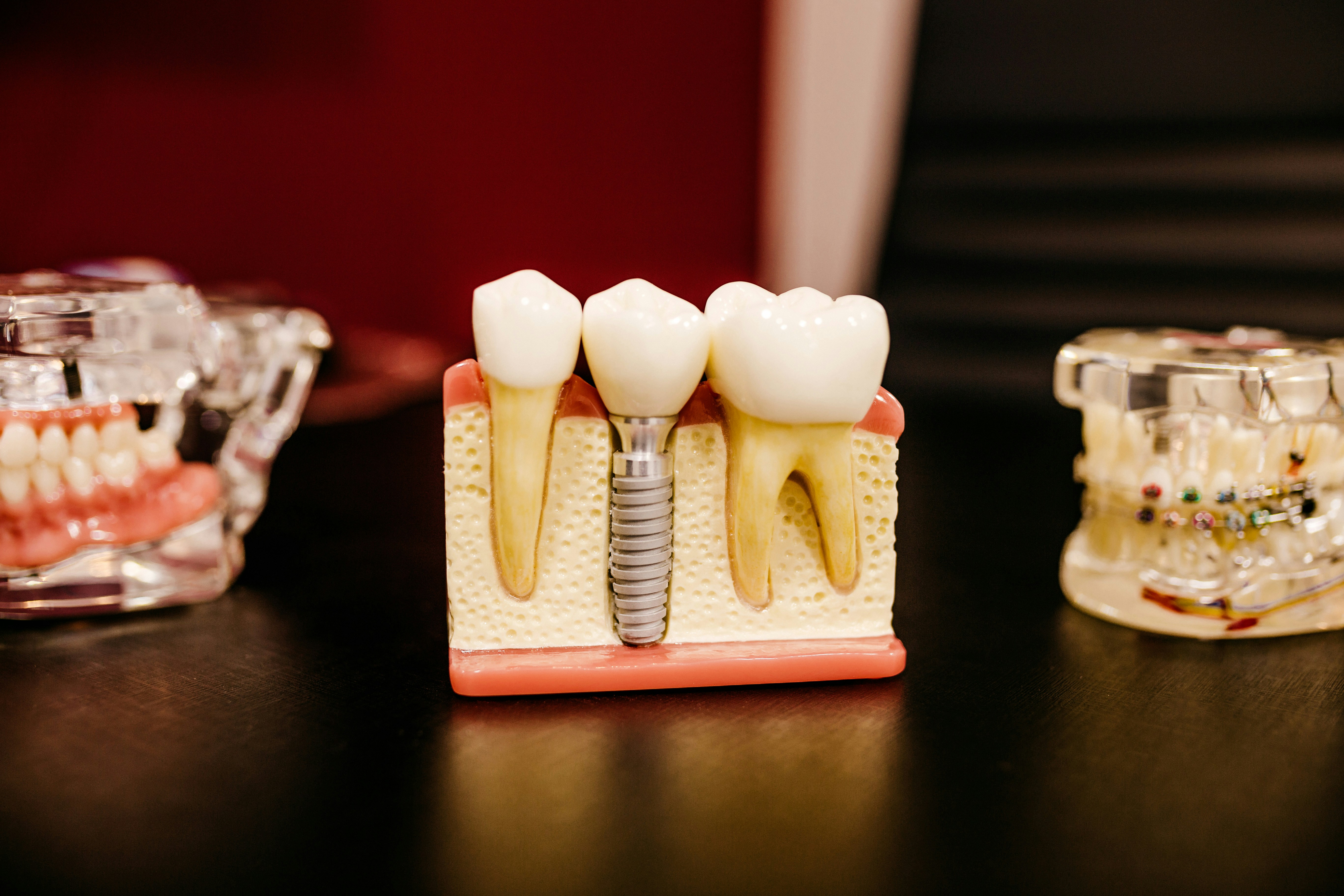
You trust your smile to someone who can see what you cannot. Implant dentists now use advanced technology to plan every step before they touch your mouth. They study clear 3D images of your jaw. They guide each implant with computer tools that reduce guesswork and protect nerves. As a result, you feel less fear, face fewer surprises, and heal with fewer setbacks. This blog explains how these tools work and how they protect you. It also shows why North Scottsdale dental implants now feel more secure and more natural than older methods. You will see how digital scans, planning software, and guided surgery help your dentist place each implant in the right spot, at the right depth, and at the right angle. You deserve clear answers before you agree to surgery. You will find those answers here.
Why precision matters for your implant
A dental implant acts like a root. It supports a crown, bridge, or denture. If the root sits in the wrong spot, the tooth on top suffers. So does the bone and gum around it.
When an implant is not in the right place, you may face three risks.
- Pressure on nearby teeth that causes pain
- Stress on the implant that leads to loosening
- Injury to nerves or sinus that causes numbness or infection
Modern tools help your dentist avoid these problems. They plan around nerves, sinuses, and thin bone. They aim for strong bone and even bite forces. You gain a more stable tooth and a calmer recovery.
3D imaging that shows the full picture
Old methods relied on flat X rays and guesswork. Today many implant dentists use cone beam CT scans. These scans create a 3D model of your teeth, bone, and nerves.
With 3D imaging your dentist can.
- Measure bone height and width in exact numbers
- See the nerve path in your lower jaw
- See the sinus floor in your upper jaw
- Spot hidden infection or bone loss
The National Institute of Dental and Craniofacial Research explains that implant success depends on healthy bone and careful planning. 3D scans give that clear starting point. They replace guesswork with measurement.
Digital planning before you sit in the chair
After the scan, your dentist uses planning software. They place virtual implants in the 3D image of your jaw. They can change size, angle, and position on the screen until they find a safe plan.
In this step the dentist can.
- Choose the right implant size for your bone
- Avoid nerves and sinus with clear space
- Align the implant with your future crown
This planning links surgery with the final tooth. It is not just about placing metal in bone. It is about placing a tooth where you can chew, speak, and clean with comfort.
Surgical guides that act like a roadmap
Once the plan is set, your dentist can order a custom surgical guide. This guide is a clear plastic piece that fits over your teeth or gums. It has tiny sleeves that direct the drill.
During surgery, the guide helps your dentist.
- Keep the drill in the planned spot
- Hold the right angle
- Stop at the correct depth
For you, this means shorter time in the chair, less bone removal, and fewer surprises. The guide turns a complex task into a controlled, repeatable process.
Comparing older and newer methods
The table below compares common features of older freehand implant placement and guided, tech-based placement. Values are general trends from clinical reports and expert guidance. Individual results vary.
| Feature | Older freehand placement | Guided, tech based placement
|
|---|---|---|
| Planning images | 2D X rays only | 3D cone beam CT plus photos |
| Implant position control | By eye and feel | Planned on software and fixed by guide |
| Typical surgery time for one implant | Longer chair time | Shorter, more steady pace |
| Risk of touching nearby nerve or sinus | Higher | Lower with nerve and sinus mapping |
| Need for larger cuts in the gum | More likely | Often smaller openings |
| Match with final crown | May need more adjustment | Planned around the final tooth |
How technology can affect healing and comfort
Technology does not remove every risk. It does reduce many common triggers of problems. When the implant fits the bone well, your body responds with more steady healing.
Tech guided care can support.
- Less swelling and bleeding from smaller openings
- More stable early healing from snug implant fit
- Lower chance of infection from shorter surgery
The Centers for Disease Control and Prevention stresses the need for clean care and strong home habits around implants. Precise placement supports brushing and flossing. You can reach more surfaces. You keep the gums calmer over time.
What to ask your implant dentist
You have the right to know how your care team plans your surgery. Before you agree, ask three key questions.
- Will you use a 3D scan to plan my implant
- Do you use planning software and surgical guides
- How will this plan protect my nerves, sinuses, and nearby teeth
Also ask about their experience with the tools they use. Ask to see the scan and the plan on the screen. Clear answers show respect for your body and your trust.
Taking your next step with confidence
Technology cannot replace skill. It can support it. When your dentist pairs training with 3D images, planning software, and guided tools, you gain a safer path. You face surgery with more control and less fear.
You deserve an implant that feels like a natural part of your mouth. Careful use of advanced tools brings that goal closer.