• Skip to main content
  • Skip to primary sidebar
  • Skip to footer

Vanilla Mist

Online Magazine

  • Home
  • About
  • LifeStyle
  • Fashion
  • Health
  • Tips
  • Budget
  • Travel
  • Contact Me

Health

How Family Dentistry Encourages Parents To Model Positive Oral Habits

May 20, 2026

Parenting drains your energy. Teaching your child to brush and floss can feel like one more fight at the end of a long day. A Clermont family dentist understands this pressure. You do not just need clean teeth. You need support that makes daily routines easier at home. Family dentistry encourages you to sit in the chair, ask questions, and practice the same habits your child sees. Then your child learns by watching you. You hear simple tips. You get clear steps. You leave with a plan that fits your life. The dentist and staff speak to you and your child together. Then brushing becomes a shared routine, not a battle. Your own checkups send a strong message. Your health matters. Your child’s health matters. You are not alone in this work.

Why your child copies what you do, not what you say

Children watch every move. They notice if you rush through brushing or skip flossing. They also notice when you take time for your own care. That pattern sinks in.

Research from the Centers for Disease Control and Prevention shows that tooth decay is common in children. Yet it is preventable. Your actions at the sink each morning and night protect your child more than any lecture.

Family dentistry uses that truth. The office invites you to model calm, steady habits. Your child sees you open your mouth for an exam. Your child sees you ask questions. That quiet courage lowers fear for both of you.

How family visits build a shared routine

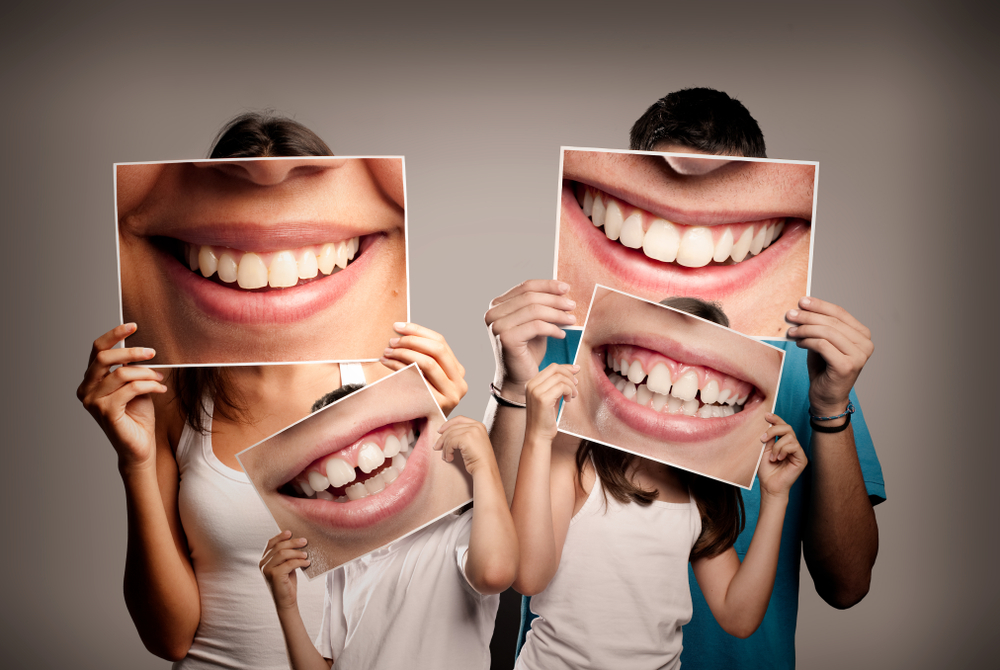
Family appointments turn oral care into a team effort. You and your child sit in the same room or visit back-to-back. The same staff greets you by name. That rhythm builds trust.

During a family visit you can

  • Schedule cleanings for you and your child on the same day
  • Let your child watch part of your exam
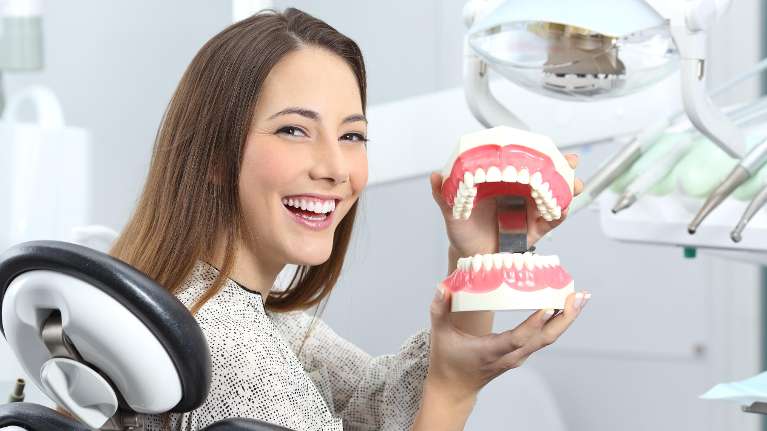
  • Practice brushing together with a model or mirror

This shared time sends one message. Oral care is a normal part of life, not a rare event. The office becomes a place of steady support, not a place of fear.

Daily habits you can model at home

You do not need complex routines. You need clear habits you can repeat every day. Focus on three steps.

  • Brush twice a day with fluoride toothpaste for two minutes
  • Clean between teeth once a day using floss or another tool
  • Limit sugary drinks and snacks, especially at bedtime

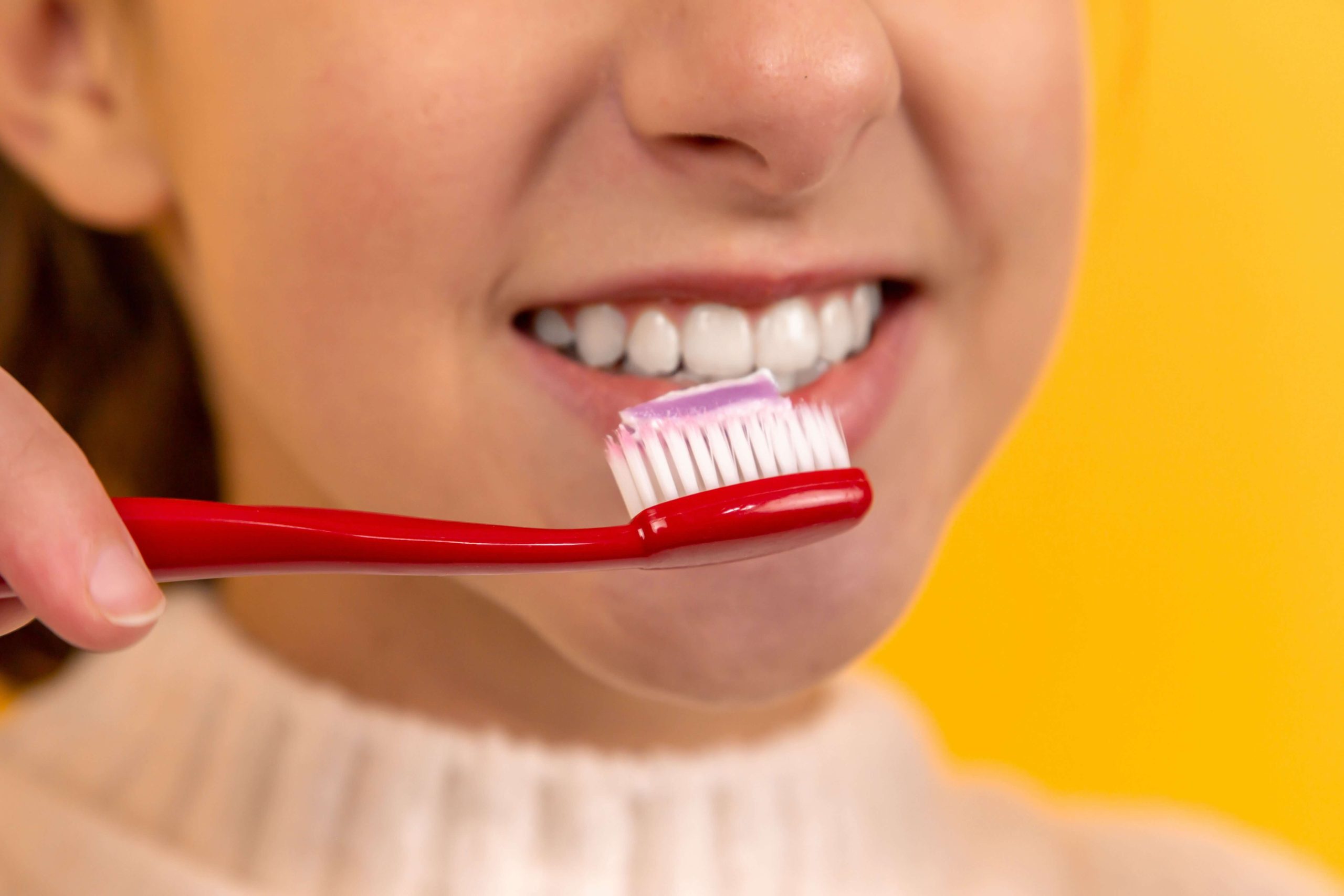
Stand at the sink with your child. Brush your own teeth at the same time. Count out loud. Use a simple song that lasts two minutes. Then show flossing on your own teeth before you help your child.

Evidence from the National Institute of Dental and Craniofacial Research shows that steady home habits cut cavities. Your modeling turns that science into real change in your home.

Comparing common home habits

The table below shows how different home patterns affect oral health over time.

Home pattern Parent behavior Child reaction Likely outcome over time


Shared routine Brushes and flosses with child every day Copies parent, asks fewer fearful questions Fewer cavities, calmer visits, stronger trust
“Do as I say” Tells child to brush but skips own care Resists brushing, views rules as unfair Higher cavity risk, more stress at visits
Emergency only Sees dentist only when in pain Links dentist with pain and fear More extractions, higher costs, deep fear
Routine care Schedules regular checkups for self and child Accepts visits as a normal part of life Early problem detection, lower costs, steady health

How your dentist supports your role as a model

A family dentist does more than fix problems. The team coaches you. They show you how to guide your child without shame or fear.

You can ask the dentist to

  • Check your own brushing technique and give quick feedback
  • Show you simple ways to clean your child’s teeth at different ages
  • Explain treatment plans in plain language you can repeat at home

This helps respect your time and your stress. You walk out with clear next steps, not a long list of rules.

Turning fear into calm for your child

Many children fear the dentist. Some parents feel that same fear. Your honesty and your presence can soften that.

You can

  • Use simple words to explain what will happen
  • Avoid scary stories or threats about the dentist
  • Stay near your child during the visit when staff allows it

When your child sees you stay calm in the chair, even during a filling, the message is clear. Hard moments are still safe. Care is worth it.

When life gets busy or hard

Work, school, and bills pull your focus. Oral care can slide. Stress can trigger more snacking, more late nights, and skipped brushing.

In those seasons, you can still protect your child.

  • Keep a travel toothbrush and toothpaste in your bag or car
  • Rinse with water after snacks when brushing is not possible
  • Call the dentist if pain or swelling starts, even if the schedule feels full

Short, steady steps matter more than perfect routines. Each small choice you model teaches your child to keep going even when life hurts.

Choosing to lead by example today

You carry a heavy weight as a parent. You cannot control every outcome. You can control the habits your child sees each day.

Family dentistry gives you a partner. Regular visits, shared routines, and honest talks with your dentist help you model strength and care. Your child watches. Your child learns. Each time you pick up your own toothbrush, you teach your child that their body deserves care and respect.
 

Filed Under: Health

Why Preventive Dentistry Protects Against Gum Disease And Cavities

May 20, 2026

Preventive dentistry protects your mouth before problems grow. You brush and floss, yet silent damage can still build under your gums and inside your teeth. Regular cleanings, early X rays, and simple protective treatments stop that damage before it turns into gum disease or painful cavities. This care also keeps dental visits shorter and less stressful. You avoid emergency visits, root canals, and extractions. Instead, you keep your real teeth strong for more years. Preventive dentistry also supports faster solutions when you do need repair. Services like Albuquerque same day crowns work best when decay is found early and your gums stay healthy. You gain control over your oral health. You see problems early. You fix them while treatment is still simple and less costly. This blog explains how small habits and routine visits protect your gums, teeth, and overall health.

How Gum Disease And Cavities Start

Gum disease and cavities begin with plaque. Plaque is a sticky film of germs that forms on your teeth every day. When you eat or drink, germs in plaque turn sugars into acid. The acid attacks your teeth. Then your gums react to the germs and start to swell.

Over time, this leads to three common problems.

  • Gums that bleed when you brush
  • Sensitive teeth
  • Bad breath that does not go away

Without early care, plaque hardens into tartar. You cannot remove tartar with a brush. Only a dental cleaning can remove it. Tartar traps more germs. Then pockets form around your teeth. Teeth loosen. Cavities spread. Pain grows.

What Preventive Dentistry Includes

Preventive dentistry is simple. You and your dental team share the work.

At home, you focus on three steps.

  • Brush two times a day with fluoride toothpaste
  • Clean between teeth once a day with floss or another tool
  • Limit sugary snacks and drinks between meals

In the office, your dental team provides three main services.

  • Regular exams and cleanings to remove plaque and tartar
  • X-rays to find cavities and bone loss early
  • Protective care such as fluoride and sealants

The Centers for Disease Control and Prevention explains that fluoride and sealants cut the risk of cavities in children. The same habits protect adults. You lower your risk when you repeat these steps on a steady schedule.

Why Early Care Matters

Small problems are easy to treat. Large problems are painful and costly. That is the simple truth.

When your dentist finds early gum irritation, a cleaning and better home care often fix it. When your dentist finds a tiny cavity, a small filling protects the tooth. You keep more of your natural tooth structure. You avoid infection.

When you skip visits, germs have more time to destroy bone and enamel. You may need deep cleanings, crowns, or surgery. You may lose teeth. You may also face a higher risk of other health problems, such as heart disease and diabetes.

The National Institute of Dental and Craniofacial Research explains that untreated gum disease is linked to other health conditions. Your mouth is part of your body. You protect your whole body when you protect your gums and teeth.

Everyday Habits That Protect Your Mouth

You control many of the risks for gum disease and cavities. Focus on three daily habits.

  • Clean your teeth
  • Watch what you eat and drink
  • Protect your mouth from injury

First, use a soft brush. Spend two full minutes. Reach the gum line. Clean your tongue. Use a pea-sized amount of fluoride toothpaste for adults. Use less for young children as your dentist suggests.

Next, choose water over soda or juice. Save sweets for mealtimes. Then your mouth has time to recover between sugar hits. Constant sipping on sweet drinks keeps acid levels high all day.

Finally, protect your teeth from chips and breaks. Wear a mouthguard during contact sports. Do not use your teeth to open packages or bite hard objects such as ice.

How Regular Visits Save Time And Money

Many people delay dental visits because of fear or cost. That delay often leads to longer treatment and higher bills. Preventive visits cost less than emergency care. They also reduce missed work and school.

The table below compares typical outcomes when you keep up with preventive care versus when you wait until pain starts.

Type of care What usually happens Common result for gums Common result for teeth


Regular preventive visits Problems found early Mild irritation treated with cleaning Small fillings or no cavities
Visits only when in pain Problems found late Deep infection and bone loss Root canals, crowns, or extractions
No care for many years Severe damage by the time of visit Loose or missing teeth Multiple extractions and dentures

Regular care keeps treatment small and steady. It also supports better use of advanced options such as crowns and implants when needed. Your dentist works with a cleaner, healthier base. You get stronger, longer-lasting results.

Special Protection For Children And Older Adults

Children and older adults face a higher risk of gum disease and cavities. They need clear support.

Children often snack more and may rush brushing. Sealants on back teeth protect deep grooves where a brush cannot reach. Fluoride treatments harden enamel. Regular visits help children learn good habits early. Parents can watch and guide brushing each night.

Older adults may take medicines that dry the mouth. Dry mouth raises cavity risk. Gums may pull back from teeth with age. Roots then sit in the open air and decay faster. Extra fluoride, more frequent cleanings, and simple tools such as floss holders help.

You support your family when you plan visits on a shared schedule. You model care for children. You protect aging parents. You show that teeth matter at every age.

Take The Next Simple Step

You do not need perfect habits. You just need steady ones. Brush, clean between your teeth, and drink water. Schedule regular exams and cleanings. Ask about fluoride and sealants for your family. If you already have dental work, protect it with ongoing care so treatments such as Albuquerque same-day crowns last longer.

You deserve a mouth that feels clean and pain-free. You can reach that goal with preventive dentistry. Start today with one small step. Call your dentist. Set your next visit. Then keep it. Your gums and teeth will repay you every single day.


Filed Under: Health

Why Cosmetic Dentistry Is Stronger With A Foundation Of Preventive Care

May 19, 2026

Your smile changes how you move through each day. You may think cosmetic dentistry is only about white teeth and straight edges. It is not. Every strong cosmetic result starts with quiet, steady preventive care. Without healthy gums, clean enamel, and stable bite forces, cosmetic work can chip, stain, or fail early. You deserve results that last, not quick surface fixes that hide deeper problems. Regular checkups, cleanings, and small repairs protect your investment in cosmetic treatment. They also give your dentist a clear picture of your mouth before any change in shape or color. That means fewer surprises, less pain, and stronger long term comfort. When you choose a dentist in Far Rockaway, NY who builds cosmetic care on prevention, you get more than a nice photo. You get a mouth that feels strong when you eat, speak, and laugh.

Why healthy teeth matter before cosmetic work

Cosmetic treatments sit on top of living teeth and gums. If the base is weak, the work on top will not last. You may see small chips, stains around the edges, or loose crowns. You may feel sharp pain when you drink cold water.

First, preventive care finds silent problems. Small cavities, early gum infection, and grinding wear often do not hurt at first. A checkup and simple X rays can show these early. Then your dentist can treat them before placing veneers, bonding, or crowns.

Second, clean teeth hold cosmetic materials better. Plaque and tartar act like a dirty wall under paint. The color may look fine at first, then peel or stain. A cleaning gives your dentist a clean, rough surface so bonding agents grip well.

Third, stable bite forces protect new work. If your bite is off, certain teeth take more pressure. Over time that pressure can crack porcelain or break fillings. A careful exam and bite check help spread the force so your new smile stays steady.

How preventive care protects cosmetic results

Preventive care is simple. It uses three habits.

  • Regular dental visits
  • Daily home care
  • Early treatment of small problems

During a routine visit, your dentist or hygienist will remove hardened deposits. They will also check your gums for early infection. The Centers for Disease Control and Prevention explains that early gum disease can improve with better brushing and cleanings.

At home, you control what sits on your teeth all day. Brushing with fluoride toothpaste two times a day and cleaning between teeth removes food and bacteria. The National Institute of Dental and Craniofacial Research shares clear steps for home care on its tooth decay fact sheet.

When you fix small issues early, you avoid large, painful work later. A tiny cavity may need a simple filling. When ignored, it can reach the nerve and need a root canal and crown. That larger work costs more money and time. It also makes planning cosmetic changes harder.

Comparing mouths with and without preventive care

The table below shows how preventive care changes your cosmetic results over time.

Factor With strong preventive care Without strong preventive care


Chance cosmetic work chips or cracks in 5 years Lower because bite and decay are managed Higher because hidden decay and grinding stay
Color match of veneers or bonding Stays closer to original color Stains and yellowing appear sooner
Gum line around cosmetic work More even and calm Swollen, red, or receding
Cost over ten years More costs for cleanings and small repairs More costs for repeat crowns, veneers, or extractions
Comfort when chewing Steady comfort with fewer sharp pains Frequent soreness or pressure

Common cosmetic treatments and what they need first

Each cosmetic treatment needs certain base conditions.

  • Teeth whitening. You need clean teeth and no untreated cavities. Whitening on a decayed tooth can cause severe pain.
  • Bonding. You need dry, plaque-free surfaces. Any moisture or tartar can cause early stains or chips.
  • Veneers. You need healthy gums and strong tooth roots. Receding gums can expose edges later.
  • Crowns. You need enough healthy teeth and no active infection. A crown over an infected tooth often fails.
  • Aligners or braces. You need clean teeth and controlled gum swelling. Moving teeth through infected gums can speed bone loss.

How preventive care helps your family

Cosmetic choices affect every age. Teens may want straighter teeth. Adults may want a brighter color. Older adults may want repairs after years of wear. Preventive care gives each person a safer path.

For children, regular visits teach them that the dental chair is a normal place. This cuts fear. It also lets the dentist watch how teeth grow. Small changes, such as sealants or space maintainers, can prevent large crowding later.

For adults, life stress can cause grinding or nail biting. Preventive visits catch these habits. A simple night guard can protect natural teeth and cosmetic work. Honest talks about tobacco or sugar drinks can guide small changes that keep teeth strong.

For older adults, dry mouth from medicines can raise decay risk. Preventive care can include fluoride rinses or more frequent cleanings. These steps protect both natural teeth and any crowns or bridges.

Planning your cosmetic goals with a preventive mindset

You have the right to ask clear questions. Before any cosmetic plan, ask your dentist three things.

  • Are my gums healthy enough for this treatment?
  • Do any teeth need fillings or root care first
  • How will I need to care for this work at home and during visits

Next, work together on a timeline. Many people want a fast change. Yet spreading care over months often gives stronger results. You can fix decay, calm gums, and then add cosmetic steps. This pattern lowers risk and stress.

Finally, commit to return visits. Cosmetic work is not a one-time event. It needs upkeep. Cleanings, exams, and small touch-ups keep your smile steady and strong. You gain more than looks. You gain comfort, confidence, and control.

Filed Under: Health

5 Questions To Ask Your General Dentist About New Technologies

May 19, 2026

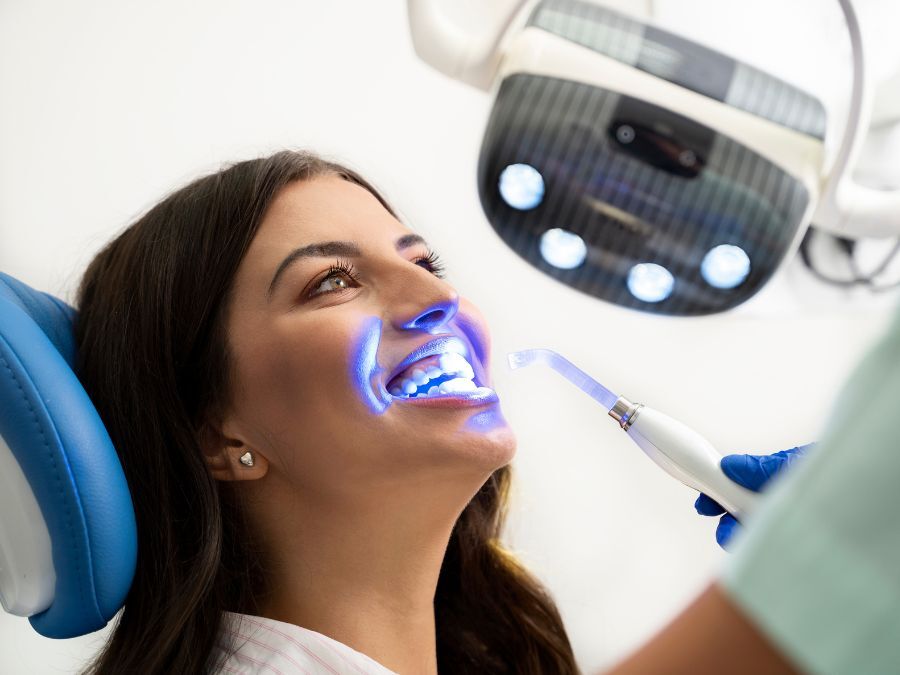
patient receiving cosmetic teeth whitening treatment

New tools in dentistry change how you care for your teeth. Some help you heal faster. Others cut pain and time in the chair. You deserve to know what your dentist uses, why it matters, and how it affects your body and your wallet. Many offices now offer 3D imaging, laser treatments, same day crowns, and even advanced options like Scottsdale dental implants. Each tool comes with promises, limits, and risks. You should not feel rushed or confused. You should feel clear and steady. This blog gives you five sharp questions you can bring to your next visit. These questions help you see past the buzz and focus on your health, your safety, and your long term comfort. When you ask direct questions, you gain control. You protect your mouth, your time, and your money.

1. How does this new tool help my health, not just my smile?

First ask what the tool does for your body. A cleaner photo or a shiny screen means little if it does not change your care in a real way.

You can ask:

  • Will this change my risk for tooth loss or infection
  • Will this help you find problems earlier
  • Will this reduce the need for shots or drilling

For example, digital X-rays use less radiation than older film systems. The Centers for Disease Control and Prevention explains basic X ray safety so you can weigh risk and benefit with calm facts. Clear answers help you accept or refuse each tool with less fear and less doubt.

2. What are the risks, side effects, and safety steps

Every tool carries some risk. You have a right to hear it in plain words. No soft language. No rush.

Ask your dentist to explain:

  • Short-term effects such as soreness or swelling
  • Long-term effects such as wear on teeth or gums
  • What can go wrong during the visit
  • What the office does to prevent mistakes

For example, lasers can remove tissue with high precision. Yet they still cut. You need to know how the team protects nearby teeth and cheeks. You can also ask who checks the machine, how often, and what training the staff completes. The National Institute of Dental and Craniofacial Research shares clear facts on many dental treatments. You can use that to cross check what you hear.

3. How does this compare with the older method

New does not always mean better for you. Sometimes the older method works just as well for less cost or less stress.

Ask the dentist to compare the new tool with the standard method for your exact problem. You can request numbers. You can also ask which patients do best with each choice.

Sample comparison of common dental technologies

Technology Older method Possible benefits Possible trade offs


Digital X rays Film X rays Lower radiation. Faster images. Easier sharing. Needs computers. Some offices may charge more.
3D cone beam imaging Regular 2D X rays Better view of roots and jaw. Helpful for implants. Higher radiation. Often higher cost.
Laser treatment for gums Scalpel and traditional cleaning Less bleeding. Shorter healing for many patients. Not right for all gum disease. Device cost may raise fees.
Same day crowns Lab made crowns One visit. No temporary crown. Fewer material choices. Not ideal for very complex bites.
Dental implants Bridges or partial dentures Do not rely on nearby teeth. Steady chewing. Surgery. Higher cost. Needs enough bone and time to heal.

Use this kind of chart as a guide. Then ask your dentist to fill in the details for your mouth and your history.

4. What will this cost me today and over time

Money stress can hurt your health. Clear numbers reduce that weight. You need more than a guess.

You can ask the office to spell out:

  • Upfront cost for each option
  • What your plan covers and what it does not cover
  • Cost of repairs, follow-up visits, or parts in later years

For example, same-day crowns may save a second visit to the dentist. That has a value. Yet lab crowns may last as long for a lower fee. Ask for written estimates for each choice. Then ask which option the dentist would pick for a close family member with your same budget. That question often brings honest answers.

5. Are there other choices that fit my body, my age, and my values

Good care respects your whole life. A tool that works well for a healthy adult may not fit a child, a pregnant person, or an older adult with other health issues.

You can share:

  • Your medical conditions
  • Your medicines
  • Your fears, such as shots, noise, or long visits
  • Your goals, such as quick comfort or long-term strength

Then ask what choices match that picture. You can say, “If I say no to this new device, what else can we do?” and “What do national guidelines suggest for my case?”. Many dentists follow research from groups that work with the federal government and universities. That helps keep care safe and grounded in evidence, not trends.

How to use these questions at your next visit

You may feel tense about speaking up. That is common. A short plan can help you stay firm and calm.

Before your visit, you can:

  • Write these five questions on a card or in your phone
  • List your top three fears or worries about treatment
  • Bring a family member who can listen and take notes

During the visit, you can:

  • Ask the dentist to pause before using any new tool
  • Request simple words and skip brand names
  • Repeat back what you hear to check for clarity

After the visit, you can:

  • Review any handouts or links the office gives you
  • Compare what you heard with trusted sources from government and schools
  • Call back with more questions before you agree to care

Final thoughts

New dental technology can bring real relief. It can also bring higher costs and fresh risks. Calm questions cut through the noise. When you ask how a tool helps your health, what it may hurt, how it compares with older methods, how much it costs, and what other choices exist, you stand on solid ground. You deserve clear facts and honest guidance. Your mouth, your time, and your money are worth that effort.


Filed Under: Health

How Family Dentists Personalize Cosmetic Enhancements For Every Patient

May 19, 2026

You want a better smile. You also want someone to see you as a whole person, not a set of teeth. A family dentist understands your history, your budget, and your fears. That knowledge shapes every cosmetic choice. A Morgan Hill dentist studies how you talk, laugh, and chew. Then you review what bothers you most. Maybe it is one chipped tooth. Maybe it is color, crowding, or old work that no longer fits. Next, you compare simple options, middle options, and full makeovers. You see what each will cost, how long it will take, and how it will feel. You never face pressure. Instead, you gain clear steps that match your health, age, and daily life. By the end, cosmetic care feels less like a luxury and more like routine support for your confidence.

Step 1: Your Story Guides Every Choice

Cosmetic care starts with your story. You sit down and share three things. You share what you want. You share what you fear. You share what you can afford right now.

Your dentist then studies:

  • Your medical and dental history
  • Your family history of gum disease or weak enamel
  • Your medicines that may dry your mouth or stain teeth

Next, your dentist checks your mouth. You may see photos and simple charts. You hear clear language, not medical terms. You learn what must be fixed for health before any cosmetic work. You also learn which changes are safe for your body. This protects you from quick fixes that fail.

Step 2: Matching Cosmetic Choices To Your Health

Healthy teeth and gums give cosmetic work a stronger base. The Centers for Disease Control and Prevention explains that untreated decay and gum disease are common in adults of all ages.

Your dentist checks for:

  • Cavities that need fillings
  • Gum swelling or bleeding
  • Grinding or clenching that may crack new work
  • Dry mouth that may stain or wear enamel

After this review, you receive a plan in clear steps. First, fix pain and infection. Then, restore broken teeth. Finally, add cosmetic changes. This order keeps you safe and protects your money.

Step 3: Common Cosmetic Options And How They Differ

Every patient does not need the same treatment. Your dentist helps you compare choices in plain terms. The table below offers simple example ranges. Costs and times vary by clinic and state. You can see more detail on common care at the American Dental Association public site at https://www.mouthhealthy.org/.

Treatment type Main purpose Typical visit count General cost level Best for


Professional whitening Lighten stains on natural teeth 1 to 3 Low to medium Healthy teeth with yellow or brown stains
Bonding Fix small chips or gaps 1 Low to medium One or two teeth with minor damage
Porcelain veneers Change shape and color of front teeth 2 to 3 High Strong teeth with large cosmetic concerns
Crowns Cover weak or broken teeth 1 to 2 Medium to high Teeth with large fillings or cracks
Clear aligners or braces Straighten crowded or spaced teeth Many over 6 to 24 months High Crowding, bite problems, crooked teeth

Step 4: Custom Plans For Children, Adults, And Older Adults

Different ages need different plans. Your family dentist tracks these changes over years and adjusts your care.

For children, the focus stays on safety and growth. Cosmetic steps stay light. Your dentist may polish teeth, smooth small chips, or guide thumb habits. You also hear guidance on sports guards to protect teeth from hits.

For adults, appearance often connects to work and daily life. Your dentist may suggest whitening, bonding, or clear aligners that fit your schedule. Evening visits or simple home trays may help you keep treatment steady.

For older adults, teeth may show wear, stain, or past damage. Medicines and dry mouth may change what is safe. Your dentist chooses materials that respect weaker enamel and gum changes. You may blend crowns, partial dentures, and cosmetic work so you can chew, speak, and smile without strain.

Step 5: Respecting Your Budget And Time

Money and time shape your choices. A family dentist respects that. You see honest talk about what is needed now and what can wait.

Your plan may include:

  • Phased care. You break big work into smaller steps over months or years.
  • Mix of treatments. You blend low cost and higher cost options to reach your main goals.
  • Maintenance visits. You protect your results with cleanings and checks.

You also learn how long each choice lasts with good care. This helps you measure real value. A cheap fix that fails in one year may cost more than a stronger option that lasts many years.

Step 6: Emotional Comfort And Trust

Cosmetic work touches more than teeth. It touches how you see yourself. A family dentist listens when you share shame, anger, or fear. You may feel judged by past care. You may fear pain.

Your dentist can offer:

  • Numbing that is tested before work starts
  • Shorter visits for patients with strong fear
  • Clear words before each step so you are never surprised

This steady respect helps you relax. Over time, the dental chair can feel like a safe place, not a punishment.

Step 7: Keeping Your New Smile Strong

After treatment, routine care protects your investment. You learn how to brush, clean between teeth, and choose snacks that support your mouth. The CDC notes that simple steps such as brushing with fluoride toothpaste and cutting sugary drinks lower decay risk.

Your dentist may also suggest:

  • Night guards if you grind your teeth
  • Touch up whitening trays for stains from coffee or tea
  • Checkups every six months or as advised for your health

These habits keep your new smile steady. They also reduce the need for more work later.

Taking Your Next Step

You deserve a plan that fits your body, your story, and your budget. A family dentist who knows you can shape cosmetic care so it feels human, clear, and safe. When you are ready, start with a simple talk. Share what you hope to change. Ask what must be healed first. Then choose one small step. That first choice can begin a steady path toward a smile you trust.


Filed Under: Health

Building Confidence: Guiding Teens Through The Braces Journey At Home

May 7, 2026

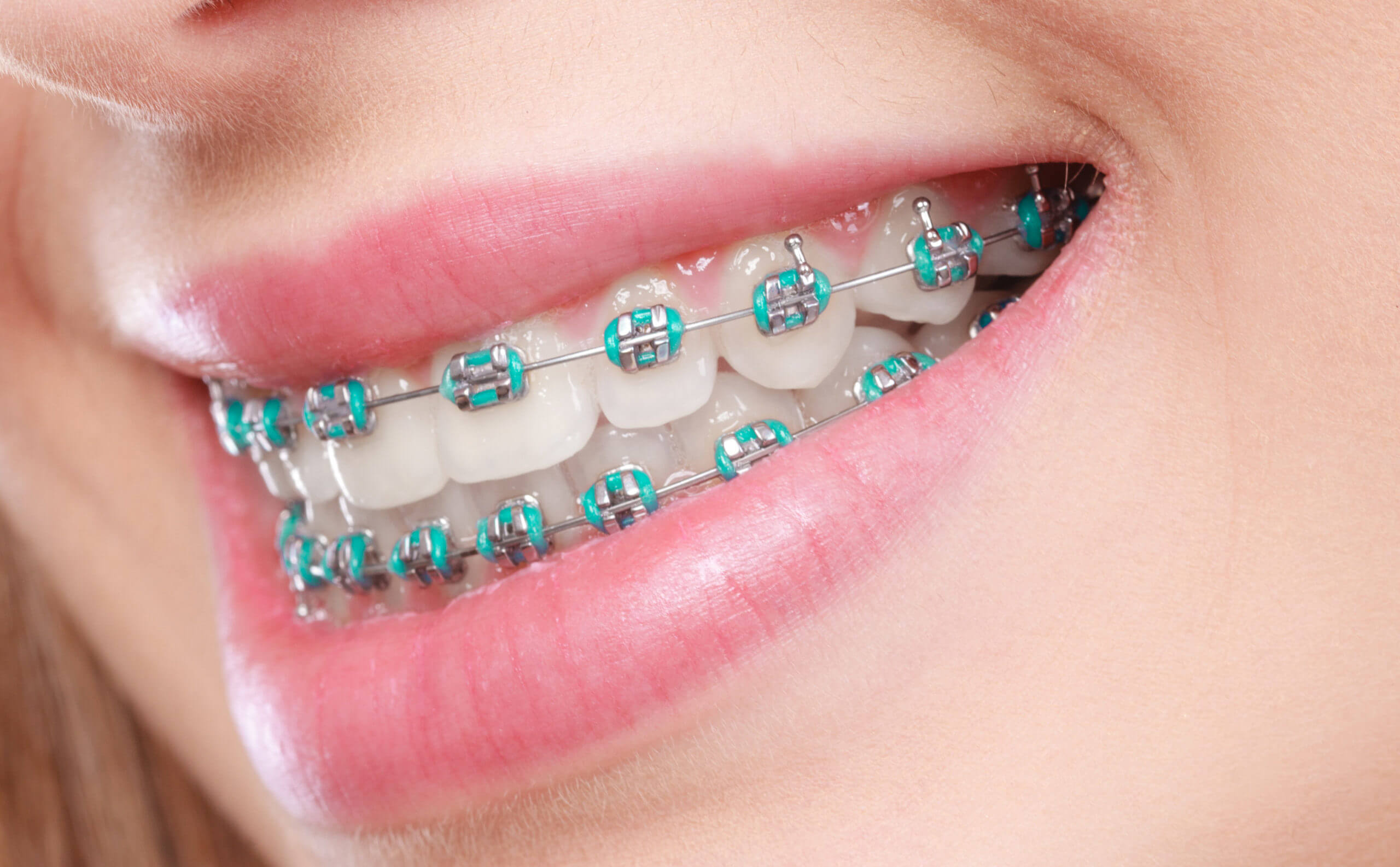
Close-up of a smile showing metal braces with teal elastic bands on the teeth and gums visible at the lips' edge.

Braces can stir up shame, frustration, and anger in a teen. You see the tight lips in photos and the sudden silence at the dinner table. You want to help, yet you may feel unsure about what to say or do at home. This guide gives you clear steps to support your teen through each stage of treatment. You learn how simple daily habits, honest talks, and patient listening can build real confidence. You also see how to work with your orthodontic team and when to ask for extra help. Parents near Atascocita, TX cosmetic dentistry already know that straight teeth are only part of the story. True change happens in the small moments at home. Here you find direct advice that respects your teen’s feelings and your time. You can steady this journey and help your teen stand taller.

Start With Honest Talk About Braces

Teens notice every change in their faces. Braces can feel like a spotlight on every fear. You can lower that fear with clear and simple talk.

  • Ask what scares your teen most about braces.
  • Listen without fixing or judging.
  • Share what the orthodontist said in plain words.

You might say, “Your mouth may feel sore for a few days. We will plan soft food and extra time to rest.” This kind of talk gives your teen a sense of control. It shows that you see both the pain and the goal.

Set Up A Home Routine That Reduces Stress

Braces need steady care. A simple routine can protect your teen’s teeth and reduce conflict at home.

Daily Braces Care At Home

Time Task Parent Support


Morning Brush and check for loose wires Keep soft toothbrush and fluoride paste ready
After meals Rinse and use floss tools if possible Pack a small kit for school or practice
Evening Brush, floss, and use any prescribed rinse Do a quick look with your teen if they agree

The Centers for Disease Control and Prevention explains how brushing with fluoride and cleaning between teeth protect against decay. This gives your teen facts, not just rules.

Manage Pain And Discomfort With Care

Pain can crush confidence. It can also lead to skipped brushing or skipped meals. You can plan ahead so pain feels less scary.

Use three steps.

  • Plan soft meals for the first days after braces or adjustments.
  • Keep orthodontic wax, salt for warm rinses, and any approved pain medicine on hand.
  • Watch for sores or broken parts and call the orthodontist when needed.

Tell your teen that pain usually peaks in the first days, then eases. Naming this pattern helps your teen see that the worst part will pass.

Protect Self-Respect At School And Online

School can feel harsh with braces. Peers may joke or stare. Social media can cut even more.

Work with your teen on three fronts.

  • Practice short replies to rude comments, such as “Yeah, I have braces. They come off.”
  • Talk about photos. Ask if your teen wants to smile with lips closed or open. Respect the choice.
  • Check in about online posts. Offer to block or report hurtful content if your teen wants help.

Also, encourage your teen to notice others with braces or retainers. This breaks the feeling of being the only one. Many teens and adults go through orthodontic care. Your teen is not alone.

Use A Comparison Table To Set Realistic Expectations

Teens may compare their braces journey to friends. Clear facts can calm that race. You can use this table to talk about what to expect.

Common Braces Myths And Facts

Myth Fact How You Can Respond


“Everyone will stare at my braces.” Most people adjust after the first week and stop noticing. Say that people care more about how your teen treats them than about teeth.
“Braces always hurt.” Braces often feel sore only after adjustments. Plan rest, soft food, and comfort for those days.
“I cannot eat anything I enjoy.” Many foods are still safe with small changes. Work together to tweak favorite meals so they do not damage brackets.
“If I skip brushing, it is no big deal.” Plaque can build up around brackets and cause white spots and cavities. Show trusted health sources that explain this risk in clear terms.

The National Institutes of Health gives plain facts about oral health and tooth decay at NIDCR’s tooth decay information. You can read and talk through this together.

Build Confidence Through Small Daily Wins

Braces treatment takes time. Confidence grows through small wins, not one big event. You can help your teen notice progress.

  • Point out when your teen keeps up with brushing without reminders.
  • Celebrate when an appointment goes well.
  • Compare early photos with newer ones if your teen is willing.

Use specific praise. Say, “You kept up with your care this month. That takes real strength.” Avoid comments about looks only. Focus on effort, courage, and patience.

Work As A Team With The Orthodontist

Home support works best when you and the orthodontic team share clear goals. Invite your teen to speak during visits. Ask the orthodontist to explain each step in simple words. Write down care instructions.

You can also ask about:

  • How long will treatment last if your teen follows the plan?
  • What to do if a bracket breaks or a wire pokes.
  • Any extra tools that might make cleaning easier.

When you treat the orthodontist as a partner, your teen sees that asking for help is a strength, not a weakness.

Know When To Seek Extra Emotional Support

Sometimes braces uncover deeper hurt. Watch for warning signs.

  • Your teen avoids school or activities.
  • Eating habits change a lot.
  • Mood stays low or angry for weeks.

If you notice these signs, consider talking with a school counselor or health provider. Emotional pain deserves the same care as physical pain. Early support can prevent long-lasting harm.

Stand With Your Teen Through The Whole Journey

Braces are not just metal on teeth. They touch how your teen sees their face, their voice, and their place in the world. Your steady presence, simple routines, and honest talks can turn this hard season into a training ground for strength.

You do not need perfect words. You only need to keep showing up, listening, and guiding small daily choices. Each quiet act at home helps your teen walk out the door with a more sure step and a more open smile.

Filed Under: Health

How Restorative Dentistry Protects Long Term Cosmetic Investments

May 6, 2026

Cosmetic work on your teeth is a serious investment of money, time, and hope. You want that new smile to last. Restorative dentistry protects that promise. It keeps your teeth strong, your bite stable, and your cosmetic work safe from silent damage. Small cracks, worn fillings, and gum problems can slowly weaken the teeth that support crowns, veneers, and bridges. Then the cosmetic work fails. Routine restorative care finds these problems early. It repairs teeth before they collapse or decay. That means fewer emergencies, fewer replacements, and less pain. For many people, this includes care for dental implants in Rutherford, NJ and the teeth around them. Strong support teeth hold cosmetic work steady. Healthy gums seal out infection. Stable bone keeps everything in place. You protect your smile when you treat function and appearance as one.

Why cosmetic work needs strong support

Every crown, veneer, or implant rests on living tissue. Teeth, gums, and bone carry all the pressure from chewing and clenching. If these supports break down, the cosmetic work fails even if it still looks fine.

Three key facts matter.

  • Tooth decay under a crown can spread without pain at first.
  • Gum disease can loosen teeth that hold bridges and veneers.
  • Bone loss can weaken implants and natural roots.

Restorative care focuses on these supports. It fixes damage and removes infection. It also rebuilds lost structure so your cosmetic work can last longer.

What restorative dentistry includes

Restorative care is simple. It means fixing what is broken or infected before it spreads. It also means planning repairs that match your bite and your cosmetic work.

Common treatments include three main groups.

  • Fillings that stop decay and seal out bacteria
  • Crowns that cover weak or cracked teeth
  • Root canal treatment that cleans deep infection and saves the root

Other care supports the gums and bone.

  • Deep cleaning for gum disease
  • Bone grafts that rebuild lost bone around teeth and implants
  • Repairs or adjustments for bridges, dentures, and implant crowns

The National Institute of Dental and Craniofacial Research explains that untreated decay and gum disease are two leading causes of tooth loss. Restorative care targets both. It keeps your cosmetic work from sitting on weak ground.

How restorative care protects specific cosmetic treatments

Each cosmetic treatment has weak points. Restorative care guards those weak points so your investment holds up under daily stress.

How Restorative Dentistry Protects Common Cosmetic Treatments

Cosmetic treatment Main risk without restorative care Protective restorative steps
Porcelain veneers Decay on the back or sides of teeth Regular fillings, fluoride care, gum treatment
Crowns Decay at the edge of the crown Repair or replace loose crowns, seal gaps, treat decay early
Bridges Failure of support teeth from decay or fracture Strong fillings, root canal when needed, crown repairs
Implants Bone loss or gum infection around the implant Deep cleaning, bite adjustment, bone grafts when needed
Whitening Sensitivity and exposure of weak spots Fillings for worn spots, desensitizing treatments

This kind of care may not show in photos. It still decides how long your cosmetic work survives daily use.

Why timing matters for long-term protection

Problems in the mouth rarely fix themselves. Decay spreads. Cracks grow. Gum pockets deepen. Early action keeps treatment small and less costly.

Think in three stages.

  • Early stage. Tiny cavities, mild gum swelling, and small chips.
  • Middle stage. Larger decay, deeper gum pockets, and tooth wear.
  • Late stage. Tooth fracture, abscess, loose teeth, or implants.

Restorative care at the early stage often needs only a simple filling or cleaning. Waiting until the late stage often means root canal treatment, extractions, or loss of cosmetic work that cannot be reused.

The Centers for Disease Control and Prevention notes that early treatment of decay and gum disease lowers the risk of tooth loss. That protection extends to every crown, veneer, and implant you already paid for.

Daily habits that support restorative and cosmetic work

Your home care choices decide how well restorative treatment holds up. You control three powerful tools.

  • Brush twice a day with fluoride toothpaste. Clean at the gumline and around crowns and bridges.
  • Clean between teeth every day with floss or small brushes.
  • Limit frequent sugar drinks and snacks. Sip water often.

Also watch for warning signs.

  • Bleeding gums when you brush or floss
  • Sensitivity to cold or sweets
  • Food that keeps catching in the same spot
  • Clicking crowns or loose feeling bridges

These signs mean you need a check as soon as you can schedule one. Quick restorative care can prevent the need to redo cosmetic work.

Planning your care as a family

Cosmetic and restorative care affects the whole family. Healthy parents model strong habits for children. Children who learn good care grow into adults who need fewer major repairs.

You can protect your household by following three steps.

  • Set a regular checkup schedule and keep it.
  • Ask your dentist which teeth carry the most risk under current crowns or fillings.
  • Plan treatment in stages that your budget can handle.

When you view restorative care as insurance for cosmetic work, choices become clearer. You are not paying for extra treatment. You are guarding the work you already paid for and the comfort you want to keep.

Protecting your smile for the long term

Cosmetic dentistry can change how you feel about yourself. Restorative dentistry keeps that change steady. It repairs damage, removes infection, and strengthens weak spots so your smile holds up when life gets stressful.

You give your cosmetic work the best chance to last when you do three things. You stay consistent with cleanings and exams. You fix problems early. You treat the teeth, gums, and bone under your cosmetic work as your most important investment.

That is how you protect both your appearance and your comfort for many years.

Filed Under: Health

How Implant Dentists Use Advanced Technology For Precision Placement

May 6, 2026

You trust your smile to someone who can see what you cannot. Implant dentists now use advanced technology to plan every step before they touch your mouth. They study clear 3D images of your jaw. They guide each implant with computer tools that reduce guesswork and protect nerves. As a result, you feel less fear, face fewer surprises, and heal with fewer setbacks. This blog explains how these tools work and how they protect you. It also shows why North Scottsdale dental implants now feel more secure and more natural than older methods. You will see how digital scans, planning software, and guided surgery help your dentist place each implant in the right spot, at the right depth, and at the right angle. You deserve clear answers before you agree to surgery. You will find those answers here.

Why precision matters for your implant

A dental implant acts like a root. It supports a crown, bridge, or denture. If the root sits in the wrong spot, the tooth on top suffers. So does the bone and gum around it.

When an implant is not in the right place, you may face three risks.

  • Pressure on nearby teeth that causes pain
  • Stress on the implant that leads to loosening
  • Injury to nerves or sinus that causes numbness or infection

Modern tools help your dentist avoid these problems. They plan around nerves, sinuses, and thin bone. They aim for strong bone and even bite forces. You gain a more stable tooth and a calmer recovery.

3D imaging that shows the full picture

Old methods relied on flat X rays and guesswork. Today many implant dentists use cone beam CT scans. These scans create a 3D model of your teeth, bone, and nerves.

With 3D imaging your dentist can.

  • Measure bone height and width in exact numbers
  • See the nerve path in your lower jaw
  • See the sinus floor in your upper jaw
  • Spot hidden infection or bone loss

The National Institute of Dental and Craniofacial Research explains that implant success depends on healthy bone and careful planning. 3D scans give that clear starting point. They replace guesswork with measurement.

Digital planning before you sit in the chair

After the scan, your dentist uses planning software. They place virtual implants in the 3D image of your jaw. They can change size, angle, and position on the screen until they find a safe plan.

In this step the dentist can.

  • Choose the right implant size for your bone
  • Avoid nerves and sinus with clear space
  • Align the implant with your future crown

This planning links surgery with the final tooth. It is not just about placing metal in bone. It is about placing a tooth where you can chew, speak, and clean with comfort.

Surgical guides that act like a roadmap

Once the plan is set, your dentist can order a custom surgical guide. This guide is a clear plastic piece that fits over your teeth or gums. It has tiny sleeves that direct the drill.

During surgery, the guide helps your dentist.

  • Keep the drill in the planned spot
  • Hold the right angle
  • Stop at the correct depth

For you, this means shorter time in the chair, less bone removal, and fewer surprises. The guide turns a complex task into a controlled, repeatable process.

Comparing older and newer methods

The table below compares common features of older freehand implant placement and guided, tech-based placement. Values are general trends from clinical reports and expert guidance. Individual results vary.

Feature Older freehand placement Guided, tech based placement


Planning images 2D X rays only 3D cone beam CT plus photos
Implant position control By eye and feel Planned on software and fixed by guide
Typical surgery time for one implant Longer chair time Shorter, more steady pace
Risk of touching nearby nerve or sinus Higher Lower with nerve and sinus mapping
Need for larger cuts in the gum More likely Often smaller openings
Match with final crown May need more adjustment Planned around the final tooth

How technology can affect healing and comfort

Technology does not remove every risk. It does reduce many common triggers of problems. When the implant fits the bone well, your body responds with more steady healing.

Tech guided care can support.

  • Less swelling and bleeding from smaller openings
  • More stable early healing from snug implant fit
  • Lower chance of infection from shorter surgery

The Centers for Disease Control and Prevention stresses the need for clean care and strong home habits around implants. Precise placement supports brushing and flossing. You can reach more surfaces. You keep the gums calmer over time.

What to ask your implant dentist

You have the right to know how your care team plans your surgery. Before you agree, ask three key questions.

  • Will you use a 3D scan to plan my implant
  • Do you use planning software and surgical guides
  • How will this plan protect my nerves, sinuses, and nearby teeth

Also ask about their experience with the tools they use. Ask to see the scan and the plan on the screen. Clear answers show respect for your body and your trust.

Taking your next step with confidence

Technology cannot replace skill. It can support it. When your dentist pairs training with 3D images, planning software, and guided tools, you gain a safer path. You face surgery with more control and less fear.

You deserve an implant that feels like a natural part of your mouth. Careful use of advanced tools brings that goal closer.

Filed Under: Health

Why Family Dentistry Creates Strong Oral Hygiene Foundations

April 30, 2026

Strong teeth start at home. You teach your child to brush, yet you also need steady support from a trusted family dentist. A family practice follows you through every stage of life. It sees baby teeth, teenage braces, and adult crowns. It notices small problems early, before they grow into pain. A dentist in Antioch who knows your family history can spot patterns, calm fear, and explain choices in clear words. Regular visits build habits. Your child sees checkups as normal care, not punishment. You gain simple routines that fit your real life, not a perfect one. Shared visits also save time and lower stress. You walk in together. You walk out with one clear plan. Over time, this steady rhythm turns into a strong base for oral hygiene that supports your health, your confidence, and your peace of mind.

Why early family visits matter

Healthy mouths start early. You set the tone long before the first cavity. When you choose one family dentist, your child grows up in a place that feels known and safe.

Here is what early and steady care gives you

  • Early checks of baby teeth and gums
  • Clear guidance on brushing and flossing
  • Support with thumb sucking and bottle habits

The Centers for Disease Control and Prevention reports that cavities are the most common chronic disease in children. Regular family visits cut that risk. You catch weak spots before they turn into deep holes that need treatment.

How family dentistry builds steady habits

Your child watches what you do. When you sit in the chair, open your mouth, and stay calm, your child learns that this is normal. You show that care is a routine part of life, like washing hands or wearing a seat belt.

Family dentistry helps you build three core habits

  • Brushing twice a day with fluoride toothpaste
  • Flossing every day
  • Keeping checkups every six months

The dentist repeats these steps at each visit. This steady message turns into action. It also helps you stay honest with yourself. You know someone will ask about your brushing, your flossing, and your food choices. That quiet pressure keeps you on track.

One office for every stage of life

Life changes. Your mouth changes with it. A family dentist understands this shift, because you are not a stranger at each stage. You are one person with one story.

Here is how one office supports you through three key stages

  • Childhood. Checks on growth, sealants, fluoride, and injury care
  • Teen years. Guidance on braces, sports guards, and sugar intake
  • Adult years. Care for gum disease, grinding, and tooth wear

Each visit builds on the last one. The dentist can compare your teeth from year to year. Small changes stand out. That makes early action easier and less stressful.

Prevention vs treatment

Prevention always feels smaller than treatment. It is quicker, cheaper, and less painful. The American Dental Association stresses that routine checkups and cleanings help stop decay and gum disease.

This table shows simple contrasts

Type of care What it includes Time Cost impact Comfort


Preventive family visits Checkups, cleanings, fluoride, sealants Short visits on a set schedule Lower long term cost Light and simple
Delayed treatment Fillings, crowns, extractions Longer visits and repeat visits Higher sudden cost More pain and stress

When your whole family keeps preventive visits, you stay on the top row. You save your money, your time, and your energy.

The power of shared family appointments

When your family goes to one office, you gain more than clean teeth. You gain a simple plan that fits your daily life.

Shared care gives you three clear benefits

  • One schedule. You book visits together and cut extra trips
  • One trusted team. Your child sees the same faces each time
  • One clear message. Everyone hears the same home care steps

This unity matters when life feels heavy. You do not need to call many offices or repeat your history. You talk once. The team remembers your story and adjusts care for each person in your family.

Reducing fear and shame

Many people carry a quiet fear about dental visits. Some feel shame about missed flossing or past neglect. A steady family dentist can break that cycle.

Here is how

  • Simple language that respects you
  • Clear choices without pressure
  • Gentle support for nervous children and adults

When your child sees calm visits, fear loses power. When you hear honest feedback without judgment, shame fades. You gain courage to ask hard questions and to face old problems.

Turning today into a strong foundation

You cannot change the past. You can change the pattern from today forward. Family dentistry gives you a structure that supports that change.

Focus on three steps

  • Pick one family practice and stay with it
  • Keep regular visits, even when teeth feel fine
  • Follow simple daily habits at home

These steps are small, yet they carry weight. Over time, they protect your health, steady your budget, and support your confidence. Your child grows up with strong oral hygiene as a normal part of life, not a crisis response. That is how family dentistry creates a lasting foundation for every smile in your home.


Filed Under: Health

The New Role Of Digital Smile Previews In Family Dental Visits

April 30, 2026

Family visits to the dentist can stir up fear, doubt, and a lot of questions. You want to know how your child’s teeth will look after braces. You wonder if your own chipped tooth will still bother you after repair. Today, digital smile previews give you real answers before any work starts. You see a clear image of your future smile on a screen. You can point, ask, and decide with confidence. This simple tool supports choices about whitening, braces, and dental crowns in Richmond Hill, NY. It also helps you plan for cost and time. Even quiet family members feel heard when they can react to a preview, not a guess. This blog explains how digital smile previews work, how they guide family talks, and how they change what you expect from every visit.

What A Digital Smile Preview Really Is

A digital smile preview uses a photo or 3D scan of your face and teeth. The dental team uses software to show likely changes from planned care. You see a before image and an after image on a monitor or tablet.

The preview can show:

  • Whiter teeth after stain removal
  • Straighter teeth after braces or clear aligners
  • New shapes from crowns, bonding, or veneers

You do not feel any tools. You only sit for photos or a scan. Then you look, react, and ask questions in plain language.

How The Technology Works In Simple Steps

The steps are simple.

  1. The team takes photos of your smile from the front and side.
  2. Sometimes they add a 3D scan of your teeth with a small camera.
  3. They load the images into planning software.
  4. The software copies likely changes from braces, whitening, or crowns.
  5. You look at the preview and talk through options.

This process fits with safe care rules. For example, the National Institute of Dental and Craniofacial Research explains how early treatment helps prevent deeper tooth damage. Digital previews make it easier to see why early steps matter.

Why Families Feel Calmer With A Preview

A screen image can cut through fear. It gives your family three clear gains.

  • More trust. You see what the dentist plans instead of guessing.
  • More control. You can say yes, no, or not yet with a clear picture.
  • More unity. Parents, teens, and caregivers look at the same screen and talk.

Children often fear unknown pain. Teens worry about how they look at school. Adults worry about cost and time away from work. One preview speaks to each fear at once. You see the likely end result. You hear what it will take to get there.

Helping You Choose The Right Treatment Plan

You want care that fits your health, your budget, and your schedule. Digital smile previews help you line these up.

With a preview, you can compare:

  • Shorter plans that give smaller changes
  • Longer plans that give bigger changes
  • Single tooth fixes versus full smile work

You can also talk through how each option supports clean teeth and gum health. The Centers for Disease Control and Prevention notes that untreated tooth problems can lead to lost school and work days. A preview can show why fixing small issues now may prevent larger ones later.

Digital Smile Previews Versus Traditional Planning

Traditional planning relied on words and maybe a small wax model. Digital smile previews add real face images and color. The table below compares both methods.

Planning Method What You See Time In Chair Family Involvement Clarity Of Expected Result


Traditional verbal explanation Spoken description only Short Low. Hard for kids and teens to picture Low. Outcome stays in your imagination
Models and sketches Generic tooth models or drawings Moderate Medium. Some family members follow along Medium. Still not your own face
Digital smile preview Your own face with likely changes Moderate High. The whole family can react together High. You see a clear possible result

Support For Parents, Teens, And Older Adults

Different family members need different support. Digital previews let you tailor talks.

  • For young children. You can show how teeth will look straighter. You can explain that the changes come step by step.
  • For teens. You can show how braces or aligners may affect their smile by graduation or another clear date.
  • For adults and older adults. You can see how crowns, implants, or partial dentures may restore chewing and speech.

When you sit together and view the same image, you can share fears and hopes in plain words. That can strengthen trust inside your family and with your dental team.

Cost, Time, and Insurance Questions

A preview does not answer every money question. It does make talks about cost and time more real. When you see the likely end result, you can weigh it against:

  • Number of visits
  • Time away from school or work
  • Insurance coverage and copays
  • Any payment plans the office offers

You can also ask if the plan spreads out steps. Sometimes the team can treat urgent needs first and plan cosmetic changes later. The preview helps you see what each stage may look like.

What To Ask Your Dentist About Digital Previews

During your next family visit, you can ask clear questions.

  • Do you offer digital smile previews for braces, whitening, or crowns
  • Can you show previews for more than one option
  • How close do previews come to the real final result
  • Can my child or teen see the preview and ask questions
  • Will you keep the preview to track progress

These questions send a strong message. You want care that is honest, clear, and family-centered.

Bringing Digital Previews Into Every Family Visit

Digital smile previews are not a luxury. They are a clear planning tool that helps you protect your family’s teeth and your peace of mind. When you see possible results before treatment, you can choose with less fear and more strength. You can support your children through long treatments. You can stand up for your own needs without guilt.

At your next visit, ask for a preview. Then sit together, look at the screen, and speak openly. Your future smiles deserve that level of care and respect.


Filed Under: Health

  • « Go to Previous Page
  • Page 1
  • Page 2
  • Page 3
  • Page 4
  • Page 5
  • Interim pages omitted …
  • Page 22
  • Go to Next Page »

Primary Sidebar

About

I started Vanilla Mist as a hobby and to be completely honest with you, I really had no idea what I was doing at the time. I just wanted to share my creations with others and inspire people.

Recent Post

  • How Family Dentistry Promotes Consistent Care For Every Stage Of Life
  • Why Choosing A Family Dentist With Cosmetic Expertise Saves Time
  • How General Dentistry Protects Oral Health Across Generations
  • Why Family Dentists Emphasize Routine Exams
  • 4 Key Questions To Ask At Your Family’s Next Dental Checkup
  • 6 Foods That Make Braces Harder For Kids (And Better Alternatives)
  • Why Preventive Dentistry Helps Save Money Over A Lifetime
  • How General Dentistry Combines Comfort With High Quality Care
  • 4 Ways Family Dentists Simplify Dental Care For Busy Parents
  • How General Dentistry Prepares Teeth For Successful Cosmetic Outcomes
  • Why Family Dentistry Is The Ideal Starting Point For Cosmetic Enhancements
  • Why Small Dental Issues Should Never Be Ignored
  • 4 Preventive Services Every General Dentist Recommends
  • How Medical Spas Treat “Tech Neck” Lines And Crepey Skin
  • Why Preventive Dental Exams Improve Cosmetic Outcomes
  • How Family Dentistry Provides Comfort Through Familiarity And Trust
  • The Role Of Incremental Adjustments In Clear Aligner Success
  • 3 Common Procedures Performed By General Dentists
  • 4 Tips To Help Parents Guide Kids Through Their First Dental Checkup
  • 3 Tips For Coordinating Orthodontics And Cosmetic Touch Ups At Home
  • How Family Dentistry Encourages Parents To Model Positive Oral Habits
  • Why Preventive Dentistry Protects Against Gum Disease And Cavities
  • Why Cosmetic Dentistry Is Stronger With A Foundation Of Preventive Care
  • 5 Questions To Ask Your General Dentist About New Technologies
  • How Family Dentists Personalize Cosmetic Enhancements For Every Patient
  • Building Confidence: Guiding Teens Through The Braces Journey At Home
  • How Restorative Dentistry Protects Long Term Cosmetic Investments
  • How Implant Dentists Use Advanced Technology For Precision Placement
  • Why Family Dentistry Creates Strong Oral Hygiene Foundations
  • The New Role Of Digital Smile Previews In Family Dental Visits

Connect With Us

  • Facebook
  • Instagram
  • Pinterest
  • RSS
  • Twitter

Footer

About

I started Vanilla Mist as a hobby and to be completely honest with you, I really had no idea what I was doing at the time. I just wanted to share my creations with others and inspire people.

Latest Post

  • How Family Dentistry Promotes Consistent Care For Every Stage Of Life
  • Why Choosing A Family Dentist With Cosmetic Expertise Saves Time
  • How General Dentistry Protects Oral Health Across Generations
  • Why Family Dentists Emphasize Routine Exams
  • 4 Key Questions To Ask At Your Family’s Next Dental Checkup

Connect With us

  • Facebook
  • Instagram
  • Pinterest
  • RSS
  • Twitter

Copyright© 2026 · Brunch Pro Theme by Feast Design Co.