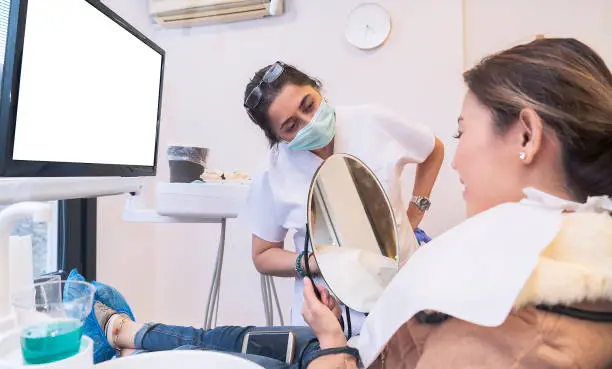
You might be feeling a mix of frustration and embarrassment every time you see your smile in photos. Maybe your teeth look a little darker than they used to, or there is a small chip you cannot stop noticing, or your front teeth are slightly crooked, and it bothers you more than you want to admit. You know you want a nicer smile, but you are not sure what is possible, what it costs, or even where to start—finding a trusted dentist in Medford can feel overwhelming at first.
If that sounds familiar, you are not alone. Many people quietly worry that they waited too long to fix their teeth, or that cosmetic dentistry is only for celebrities with huge budgets. The truth is that many of the most effective cosmetic treatments are done every day by general dentists, and they are often simpler and more accessible than you might think.
In broad strokes, here is the idea. Most general dentists can brighten stained teeth, reshape or repair chipped edges, close small gaps, and even change the overall look of your smile. They do this using a handful of core cosmetic services. This guide walks you through four of the most common ones, what problems they address, and what you can realistically expect, so you can start making decisions with more confidence and less stress.
Are you unhappy with your smile but unsure what a general dentist can actually do?
Maybe it started with a single tooth that looked a little darker in pictures. Then you noticed some old fillings showing when you laugh, or you began covering your mouth out of habit in meetings or on video calls. Over time, a small concern can turn into something that quietly affects your confidence, your social life, even how you present yourself at work.
Because of this tension, you might wonder whether you need a specialist or a full smile makeover, which can sound expensive and overwhelming. The good news is that many cosmetic dental treatments are already part of what a general dentist offers. You do not always need something dramatic. Often, a few focused changes make a surprisingly big difference.
So, what are the four common cosmetic services you will hear about in a general and cosmetic dentist’s office, and how do they help?
1. Professional teeth whitening for stained or dull teeth
Staining is one of the most common complaints. Coffee, tea, red wine, smoking, certain medications, and simply getting older can all darken teeth. Over-the-counter whitening strips can help a little, but they are often slow, inconsistent, and can irritate your gums if used incorrectly.
Professional whitening at a general dentist’s office uses stronger yet controlled whitening gels, applied in a safe way. You might have an in-office treatment that works in about an hour, or a custom tray system you use at home for a couple of weeks. Many people notice their teeth look several shades lighter, which can make the entire face look fresher and more relaxed.
The emotional side matters too. A brighter smile often makes people more willing to laugh freely or appear in photos again, which can change how they feel in social and professional settings.
2. Dental veneers to change shape, color, and alignment
Sometimes the concern is not just color. Maybe your teeth are uneven, slightly crooked, chipped, or have gaps you dislike. This is where porcelain veneers come in. Veneers are very thin shells that cover the front of your teeth to change their appearance. They can adjust shape, size, and color all at once, which is why they are often used in more dramatic smile transformations.
General dentists who offer cosmetic care can design and place veneers to match your face and personality, so your smile still looks like “you” but more refined. For a deeper look at what veneers are and how they work, you can read about them on this American Dental Association resource on veneers.
Veneers do require removing a small amount of enamel, so they are a long-term commitment. They also cost more than some other options. However, for the right person, they can address several issues at once, from stubborn discoloration to worn edges and minor crowding.
3. Dental bonding for quick fixes and smaller flaws
If your concern is a small chip, a gap between front teeth, or a tooth that looks shorter than the others, you might not need something as involved as veneers. Dental bonding is a more conservative cosmetic service many general dentists offer. The dentist applies a tooth colored resin, shapes it, then hardens it with a special light. It blends with the natural tooth and can often be done in a single visit.
Bonding is especially helpful if you are worried about cost or do not want to remove enamel. It is usually more affordable than veneers and involves less drilling, which many patients appreciate. The tradeoff is that bonding is not as strong or stain-resistant as porcelain, so it may need touch-ups or replacement over the years.
This kind of treatment can be a good “middle path” if you want noticeable improvement without a large financial or time commitment.
4. Tooth colored fillings and crowns that also improve your smile
Not every cosmetic improvement is purely aesthetic. Sometimes you need a filling or a crown for health reasons, but the way it is done can also enhance your smile. Modern general dentists often use tooth colored materials, such as composite resin for fillings and porcelain for crowns, instead of dark metal.
If you have older metal fillings that show when you laugh, or a front tooth with a visible dark line near the gum, your dentist may be able to replace those with more natural-looking options. This helps protect and strengthen the tooth while also improving the overall look of your smile.
Because many people associate dental work with pain or fear, it can be reassuring to know that some of the same treatments that protect your teeth can also quietly upgrade your appearance.
How do these cosmetic dental services compare in real life?
When you are trying to choose between whitening, bonding, veneers, or crowns, it is easy to feel stuck. Each option has strengths and limits. Seeing them side by side can help clarify what fits your needs and budget right now.
| Treatment | Best for | Typical longevity | Cost level (relative) | Reversible? |
|---|---|---|---|---|
| Professional whitening | Overall staining and yellowing | 1 to 3 years with touch ups | $ | Yes, no enamel removal |
| Dental bonding | Small chips, gaps, uneven edges | 3 to 10 years, depending on care | $$ | Often partially reversible, minimal enamel removal |
| Porcelain veneers | Color, shape, and alignment changes | 10 to 15 years or longer | $$$$ | No, enamel is permanently altered |
| Tooth colored crowns | Damaged or heavily restored teeth | 10 to 15 years or longer | $$$ | No, tooth is reshaped for crown |
These numbers are general ranges, not promises. How long a treatment lasts depends on your bite, habits like grinding or nail biting, and how well you care for your teeth. A good general and cosmetic dentist will walk through these tradeoffs with you, not just recommend the most expensive option.
If you want a broader overview of what cosmetic dentistry can involve, including other services like contouring and orthodontics, this cosmetic dentistry fact sheet from the Academy of General Dentistry is a helpful reference.
What should you do next if you are considering cosmetic care?
Knowing what is possible is a relief, but it can also raise a new question. Where do you begin without feeling rushed or pressured into something you are not ready for?
Here are three grounded steps you can take right away.
1. Get clear on what actually bothers you
Before you talk to any dentist, take a quiet moment and list what you want to change. Is it color, shape, crowding, gaps, or old dental work that shows? Try to rank your concerns from “must fix” to “nice to fix.” This gives you a starting point and helps you stay focused during your consultation.
If you feel comfortable, you can also bring a few photos of smiles you like. Not to copy them exactly, but to show the general look you are drawn to, such as more rounded edges or a brighter yet still natural shade.
2. Schedule a cosmetic consultation with a general dentist
Look for a general dentist who mentions general and cosmetic dentist services in their practice. When you call, say you are interested in cosmetic options and would like time to discuss different choices, costs, and timelines. A good dentist will examine your teeth, talk about your goals, and explain which treatments could help and in what order.
Use the visit to ask practical questions. How long will each option last? What maintenance is needed? What are the risks? How will this affect your bite and long-term health? Clear answers are a good sign that you are in the right place.
3. Start with the smallest, most impactful change
You do not have to do everything at once. Often, beginning with the simplest step provides a lot of relief and confidence. For some people, that is whitening. For others it is fixing one chipped tooth with bonding. After you see how that feels, you can decide whether you want to go further.
Think of it as building your smile in stages, guided by your comfort level, budget, and long-term plans rather than feeling pushed into a complete makeover all at once.
Moving toward a smile that feels like you
Living with a smile you do not love can quietly drain your confidence. You might avoid photos, hold back your laughter, or feel older than you are. It does not have to stay that way. Through common cosmetic dentistry services such as whitening, veneers, bonding, and natural-looking crowns, many general dentists can help you move from self-conscious to comfortable, one thoughtful step at a time.
You deserve a smile that feels like you and supports the life you want, not one that makes you want to hide. When you are ready, reach out to a trusted general dentist who offers cosmetic care, ask your questions openly, and choose the first small change that feels right. That single step can be the start of a quieter, steadier kind of confidence every time you smile.