You might be looking in the mirror and feeling a mix of pride and worry. You finally invested in veneers, crowns, or whitening at a leading cosmetic dentistry practice in Waikiki. Your smile looks brighter, more even, and more “you” than it has in years. At the same time, a small voice in your head might be asking, “How long is this really going to last?”end
Maybe you remember how much time you spent in the chair, or how carefully you budgeted for your treatment, and now you feel a quiet pressure not to “mess it up.” You brush, most of the time. You floss, sometimes. You mean to schedule regular visits, but life keeps getting in the way. Because of this tension, you might wonder if you are doing enough to truly protect your smile.
The short answer is that preventive care is what turns cosmetic and restorative treatment from a short-term upgrade into a long-term investment. When you take care of the teeth and gums underneath those veneers and crowns, and you maintain your whitening results with healthy habits, everything lasts longer, looks better, and usually costs less over time.
This is about more than cleanings and lectures. It is about understanding how your new dental work behaves in the real world, what actually damages it, and what simple steps keep your smile strong for years instead of months.
Are veneers, crowns, and whitening really that fragile without preventive care?
It can feel confusing. On one hand, you were told that crowns and veneers are strong. On the other hand, you may hear that they can chip, stain, or fail if you are not careful. So which is true?
The materials used for modern crowns and veneers are designed to be durable. According to the American Dental Association’s information on dental crowns and their care, they can last many years when they are protected by good daily hygiene and regular professional care. They resist wear, but they are not invincible.
Here is where the problem starts. Veneers and crowns cover or replace parts of your natural teeth. Whitening brightens the enamel you already have. None of these treatments cure decay, gum disease, or grinding. If bacteria build up along the edges of a crown, or if your gums become inflamed around veneers, the tooth underneath can still decay. If you clench or grind at night, that force can crack porcelain and wear down enamel no matter how white it is.
So where does that leave you? Without consistent preventive care, you can end up with some difficult situations.
- A crown that looks fine on the outside, but hides decay underneath.
- Veneers that begin to stain at the edges because plaque collects where the veneer meets the tooth.
- Whitened teeth that quickly darken again because daily habits and plaque buildup are not addressed.
Emotionally, that can feel discouraging. You put time, money, and trust into improving your smile, only to feel like you are starting to slide backward. Financially, it can be even harder. Replacing a failed crown or veneer often costs more than maintaining the original. Treating advanced gum disease or root infections is far more expensive than a checkup and cleaning.
This is why people talk about protecting cosmetic dentistry with preventive care instead of just “having work done and hoping for the best.” The work itself is only part of the story. The rest is what you and your dental team do every day and every six months to support it.
What actually threatens your veneers, crowns, and whitening results?
To protect your investment, it helps to know what you are protecting it from. You do not need a dental degree. You just need to understand a few simple forces that are always at work in your mouth.
First, there is plaque and bacteria. When plaque sits along the gumline or around the edges of your crowns and veneers, acids from bacteria can attack the tooth surface. Over time this can cause decay under a crown or at the edge of a veneer. It can also inflame your gums, which makes them bleed and recede. The Centers for Disease Control and Prevention shares clear guidance on oral health tips for adults, and the pattern is consistent. Regular brushing, flossing, and professional cleanings reduce the bacterial load, which protects both natural teeth and dental work.
Second, there is the mechanical stress of biting and grinding. You might chew ice without thinking, bite your nails during stressful meetings, or clench your jaw at night. That pressure can chip the edge of a veneer, crack porcelain, or wear down whitening results by thinning the enamel. Sometimes people only realize they grind after a crown breaks or their jaw feels sore.
Third, there are staining habits. Coffee, tea, red wine, tobacco, and deeply pigmented sauces can all leave color behind. Whitening treatments lift stains and brighten enamel, but if the daily stain load stays high, your results fade quickly. Veneers and crowns are often more stain resistant than natural teeth, but the surrounding enamel and the edges where porcelain meets tooth can still darken.
Lastly, there is time. Dental materials are strong, yet they age. The National Institute of Dental and Craniofacial Research has published data on how dental materials wear and respond to the mouth environment. Over years of chewing, temperature changes, and habits, even the best work can loosen or wear. Preventive visits are how small changes are caught early, adjusted, and supported before they become painful or expensive problems.
When you put all of this together, you can see why simple habits like brushing, flossing, and checkups are not just “good ideas.” They are the support system that keeps your cosmetic and restorative work stable and attractive.
How does preventive care compare to “wait and see” or DIY approaches?
You might be wondering if it is really worth the time and cost to stay on top of everything. After all, you brush at home. You use whitening toothpaste. The crown feels fine. Is that enough?
Here is a side by side view that can help clarify the difference between strong preventive care and a more passive approach.
| Approach | Short term experience | Long term effect on veneers, crowns, and whitening | Typical cost over time |
|---|---|---|---|
| Consistent preventive care with a general and cosmetic dentist | Regular checkups and cleanings, early fixes for small issues | Longer lifespan of restorations, fewer surprises, better color stability | Steady, predictable costs for maintenance, fewer major treatments |
| “Wait and see” with only occasional visits | Less time in the office, problems often ignored until they hurt or show | Higher risk of decay under crowns, stains around veneers, relapse of whitening | Lower costs at first, much higher costs when replacement or major repair is needed |
| DIY whitening and home care without professional guidance | Some color improvement, but uneven results and possible sensitivity | No monitoring for damage or disease, cosmetic work may be stressed or mismatched | Ongoing spending on products, possible added costs to correct damage |
When you see it laid out this way, preventive care is not a luxury. It is the maintenance plan for your smile investment. It supports both your appearance and your health.
What practical steps protect your smile investment right now?
So what can you do today to protect the money, time, and effort you have already put into your teeth?
1. Build a simple, non-negotiable home care routine
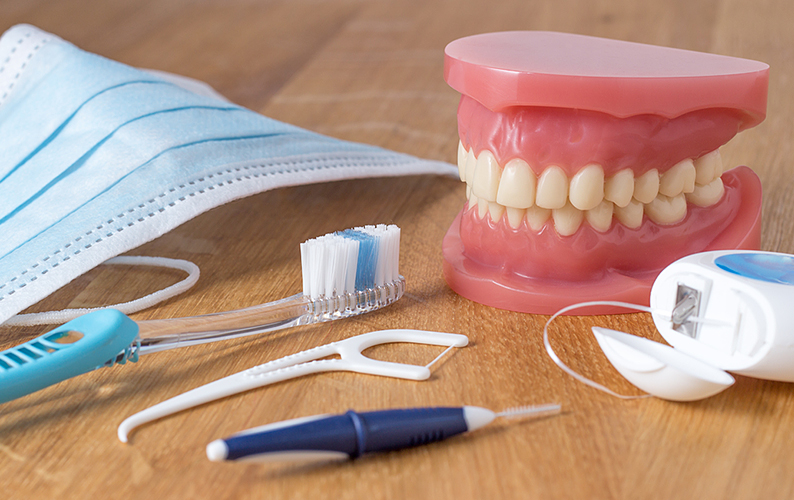
You do not need a complicated system. You need a routine that you actually follow. Aim to brush twice a day with a soft bristle brush and fluoride toothpaste. Focus carefully along the gumline and around the edges of your veneers and crowns where plaque tends to hide. Floss once a day, even if it is at night in front of the TV. If traditional floss is hard to manage, consider floss picks or a water flosser.
The National Institute of Dental and Craniofacial Research outlines straightforward daily oral hygiene tips that work well for people with restorations too. The goal is to keep bacteria levels low and gums healthy, which protects the natural structures that hold your cosmetic and restorative work in place.
2. Schedule regular visits with a dentist who understands cosmetic work
Even the best home care cannot replace professional exams and cleanings. A general and cosmetic dentist can spot tiny chips, early gum changes, and subtle color shifts before you notice them. Professional cleanings remove hardened tartar that brushes cannot touch, especially around crowns and veneers.
During these visits, you can also talk about grinding, jaw soreness, or sensitivity. If you clench at night, a night guard can protect both your natural teeth and your restorations from damage. If your whitening is fading, your dentist can recommend safe touch up options rather than random over the counter products.
3. Adjust a few key habits that quietly shorten the life of your treatment
You do not have to live in fear of every snack or drink. You can, however, adjust a few habits that have an outsized impact. Try to avoid chewing ice, pens, or very hard foods with your front teeth, especially if you have veneers. Rinse with water after coffee, tea, or red wine, and try to enjoy these drinks in shorter sittings rather than sipping all day. If you smoke, consider that tobacco not only stains teeth but also weakens gum health, which threatens the support around crowns and veneers.
These small changes, layered on top of good hygiene and regular dental care, are what truly turn cosmetic and restorative work into a durable, long lasting smile. This is the heart of why preventive care protects the investment of veneers, crowns, and whitening.
Moving forward with more confidence in your smile
You have already done something important. You chose to improve your smile. It is normal to worry about keeping it that way, especially after investing your time and money.
You do not need to be perfect. You just need a clear plan and a dental partner who treats your cosmetic work as something to be cared for, not just admired. With consistent preventive care, thoughtful daily habits, and regular guidance from a trusted dentist, your veneers, crowns, and whitening can stay brighter, stronger, and more comfortable for many years.
You deserve a smile that keeps rewarding you, not one you are always afraid of losing. Take the next small step, whether that is tightening up your nightly routine, calling to schedule a checkup, or asking more questions at your next visit. Your smile is an investment. With smart preventive care and the right cosmetic dentistry support, it is one that can keep paying you back every time you look in the mirror.