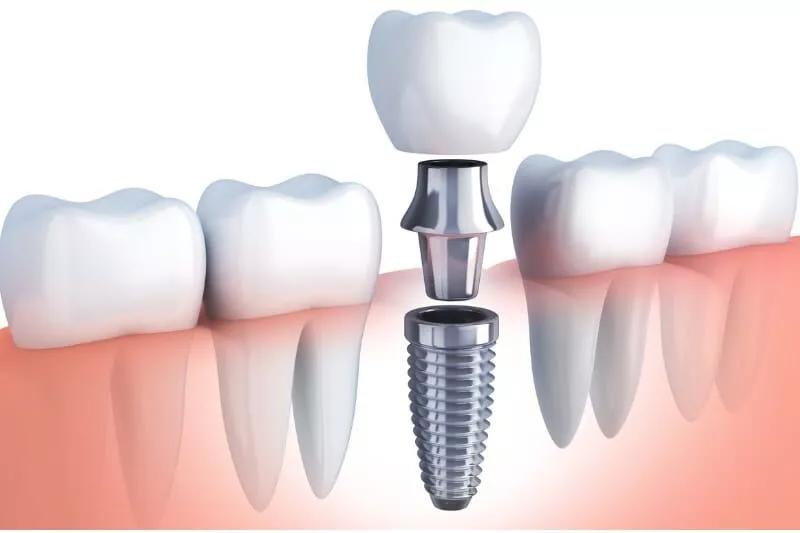
You might be feeling two things at once. On one hand, losing a tooth or facing gum problems can feel personal, stressful, and expensive. On the other, hearing about new tools, digital scans, guided surgery, and smarter materials can sound hopeful but also a little hard to sort through. That tension is real. You want care that lasts, you want fewer surprises, and you want to know whether modern treatment is truly better or just newer. The short answer is yes, technology is changing care in ways that can improve planning, comfort, and precision, especially when you work with a skilled periodontist and implant dentist for dental implants in Woodbridge, VA.
Still, it helps to slow down and look at what that really means. Better technology does not replace judgment, training, or careful follow up. It supports them. When used well, it can help spot problems earlier, map bone and gum tissue more clearly, and guide implant placement with more control. For many patients, that means a smoother process and a restoration that fits more naturally into daily life.
Why does modern implant dentistry feel so different now?
It started with a fairly simple goal. Replace missing teeth in a way that feels stable, looks natural, and protects the rest of your mouth. But traditional planning often relied on two dimensional images and manual measurements. That worked, yet it left more room for guesswork. If you have ever wondered why one person’s implant journey seems straightforward while another’s becomes drawn out, this is often part of the story.
Today, digital imaging and 3D planning have changed that process. Cone beam scans can show bone volume, nerve pathways, and sinus position in far more detail than older methods. Digital impressions can reduce the mess and discomfort of traditional molds. Computer guided surgery can help a clinician place an implant in the planned position with greater accuracy. That matters because tiny differences in angle or depth can affect function, appearance, and long term tissue health.
Because of this shift, advanced implant dentistry is not only about replacing teeth. It is about planning the whole result before treatment begins. A periodontist and implant dentist can evaluate your gums, bone support, bite forces, and healing risks together, which is especially helpful if you have bone loss, gum disease, or complex restorative needs.
What problems can technology help solve in dental implant treatment?
If you are weighing implants, you may be asking practical questions. Will this hurt? Will it take months? What if I do not have enough bone? What if the implant fails? Those concerns are common, and they deserve direct answers.
Newer technology helps by reducing uncertainty. Digital planning can show whether bone grafting may be needed before surgery. Surgical guides can make placement more controlled. In some cases, better imaging can shorten treatment time by improving planning from the start. Materials have also improved, giving clinicians more options for implant surfaces and restorations that support healing and function.
Research continues to shape these decisions. A recent PubMed indexed study on implant dentistry points to how evolving evidence supports more refined treatment planning and outcomes. There is also a long history of published work on oral implant science, including this archived review of implant research, which shows how the profession has built today’s methods over time.
So, where does that leave you? It means technology can lower some of the friction in care, but it does not erase every challenge. Healing still takes time. Health history still matters. Smoking, uncontrolled diabetes, teeth grinding, and untreated gum disease can still affect results. The tools are better, but your treatment still needs to be personal.
How is digital implant planning changing the patient experience?
One of the biggest changes is that patients can often see the plan before treatment begins. That may sound small, but it can ease a lot of stress. When you can view a scan, understand where the implant will go, and hear why a graft or tissue treatment is recommended, the process feels less mysterious.
Digital implant planning can also improve communication between the surgical and restorative sides of care. In plain terms, the team is not only thinking about placing an implant into bone. They are thinking about how the final tooth will look, feel, and function when you smile or chew. That backward planning can make a real difference.
| Aspect | Traditional Approach | Technology Enhanced Approach |
|---|---|---|
| Imaging | 2D X rays with limited depth detail | 3D scans showing bone, nerves, and anatomy more clearly |
| Impressions | Physical molds that may feel uncomfortable | Digital scans with faster, cleaner records |
| Planning | Manual estimates and visual judgment | Computer based planning for position, angle, and restoration goals |
| Surgery | Freehand placement in many cases | Guided placement for added control in selected cases |
| Patient understanding | Harder to picture the final result | Visual planning that can improve clarity and confidence |
What can you do right now if you are considering implant dentistry?
1. Ask for a full diagnostic workup. If you are exploring implant dentistry, ask whether 3D imaging, gum evaluation, and bite analysis are part of the planning process. This helps you understand not just whether an implant can be placed, but whether it can be placed well.
2. Talk about risk factors early. Be open about smoking, medications, diabetes, clenching, or past gum disease. These details are not side notes. They shape healing, maintenance, and long term stability.
3. Choose a clinician who keeps learning. Technology changes quickly, and so do treatment standards. Ongoing education matters. The American Dental Association offers continuing education resources for dental professionals, which reflects how important current training is in this area.
What should you take away from all of this?
If you have been feeling unsure, that makes sense. Tooth loss and gum problems can affect how you eat, speak, smile, and even how you feel in social settings. The good news is that technology is giving patients better tools, better planning, and often a better experience. It cannot promise perfection, and it should never replace careful clinical judgment, but it can support safer, more precise, and more personalized care.
When you are ready, the next step is simple. Schedule a consultation with a periodontist and implant dentist, ask how digital planning is used in your case, and get clear answers about timing, risks, and expected results. A thoughtful plan now can spare you a lot of stress later.