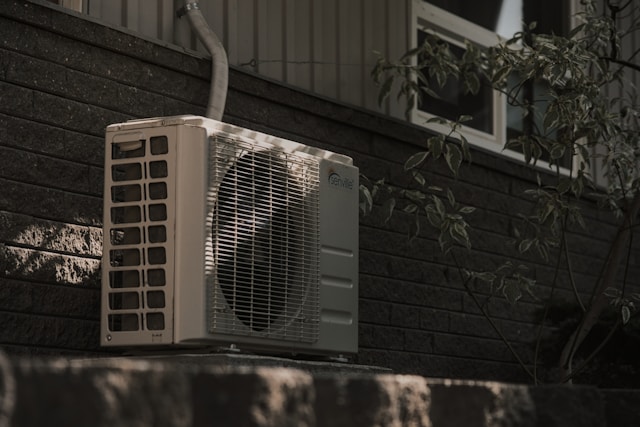
Your HVAC system works hard year-round to keep your home comfortable, yet many homeowners only think about it when something goes wrong. With proper care, a well-maintained unit can last 15 to 20 years or more, saving you money on energy bills and avoiding expensive emergencies. Whether you live in a hot, humid climate or experience cold winters, consistent attention to your heating and cooling equipment pays off in reliability and efficiency. For residents in areas like Wadley, proactive steps make all the difference—especially when you need reliable HVAC repair Wadley, GA support close by.
Understanding how your system operates is the first step toward extending its lifespan. HVAC units combine heating, ventilation, and air conditioning components that must work in harmony. Neglect leads to strain on motors, compressors, and fans, which accelerates wear. By building simple habits into your routine, you can prevent minor issues from becoming major breakdowns.
Start with Regular Filter Changes
One of the easiest and most effective maintenance tasks is changing your air filter. A clogged filter forces your system to work harder, reducing airflow and causing the blower motor to overheat. Replace standard filters every 30 to 60 days, or more frequently if you have pets, allergies, or live in a dusty environment.
High-efficiency filters capture more particles but can restrict airflow if not changed often enough. Choose the right MERV rating for your system—usually between 8 and 13 for most homes. Mark your calendar or set phone reminders. This small habit alone can improve indoor air quality and help your HVAC run more efficiently, potentially adding years to its service life.
Schedule Annual Professional Inspections
DIY efforts go a long way, but nothing replaces the trained eye of a professional. Annual tune-ups, ideally before peak seasons (spring for cooling and fall for heating), catch problems early. Technicians clean components, check refrigerant levels, inspect electrical connections, and calibrate the thermostat.
During these visits, they also test for carbon monoxide leaks in gas furnaces and ensure proper drainage to prevent mold. Investing in professional service once or twice a year typically costs far less than a major repair or premature replacement. In regions with extreme temperatures, this step becomes even more critical to avoid system failure during the hottest or coldest days.
Keep Outdoor and Indoor Units Clean
Debris around your outdoor condenser unit creates major headaches. Leaves, grass clippings, and dirt block airflow and reduce heat exchange efficiency. Clear a two-foot radius around the unit and gently hose down the fins once or twice a year—never use a pressure washer, which can bend delicate aluminum fins.
Inside, vacuum dust from registers and return vents. Consider having ducts professionally cleaned every few years if you notice excessive dust or musty odors. Clean coils inside the air handler also matter. Over time, they collect dirt that insulates the surface and makes the system work harder. A professional can safely clean evaporator and condenser coils without damaging them.
Optimize Thermostat Settings and Usage
Your thermostat controls everything, yet many homeowners overlook smart usage. Programmable or smart thermostats allow you to set schedules that reduce strain during unoccupied hours. Raising the temperature a few degrees in summer and lowering it in winter when away can cut energy use significantly without sacrificing comfort.
Avoid extreme temperature swings. Setting the thermostat too low in summer forces the AC to run longer and harder. Ceiling fans help circulate air, allowing you to raise the thermostat a couple of degrees while staying comfortable. In winter, keep curtains open during the day for passive solar heating and close them at night.
Address Minor Issues Promptly
Strange noises, weak airflow, uneven temperatures, or higher-than-normal energy bills often signal developing problems. Ignoring them leads to cascading failures. For example, low refrigerant usually indicates a leak that, if left unchecked, can damage the compressor—one of the most expensive parts to replace.
Frequent cycling (turning on and off rapidly) may point to an oversized system or dirty components. Musty smells could mean mold in the drain pan or ducts. When these signs appear, prompt attention prevents small fixes from turning into full system replacements.
Focus on Energy Efficiency Upgrades
Modern technology offers opportunities to extend your current system’s life while improving performance. Sealing air leaks around windows and doors reduces the workload on your HVAC. Proper insulation in attics and walls makes a noticeable difference too.
Consider upgrading to a high-SEER air conditioner or high-AFUE furnace when the time comes for replacement, but maintain what you have in the meantime. Variable-speed blowers and two-stage compressors run more efficiently than older single-stage models. Even simple upgrades like new programmable thermostats can help older systems last longer by reducing unnecessary runtime.
Understand When Replacement Makes Sense
No matter how well you maintain it, every HVAC system eventually reaches the end of its useful life. If your unit is over 12–15 years old and requires frequent repairs, it may be more cost-effective to replace it. New systems often qualify for rebates and tax credits, and they use significantly less energy.
Signs it’s time include rising repair costs, poor humidity control, and outdated refrigerants like R-22 that are expensive and hard to source. A professional load calculation ensures the new system matches your home’s specific needs, preventing the inefficiency of an improperly sized unit.
Create a Year-Round Maintenance Calendar
Consistency matters more than intensity. Build a simple schedule:
- Monthly: Check and replace filters as needed.
- Quarterly: Inspect outdoor unit for debris and clean vents.
- Annually: Schedule professional service and change batteries in smoke and carbon monoxide detectors.
- Seasonally: Prepare for summer and winter extremes with deeper cleanings.
Document service dates and keep records of any repairs. This information proves valuable when selling your home or troubleshooting future issues.
Taking care of your HVAC system delivers more than just reliable comfort. It improves indoor air quality, lowers monthly utility bills, and protects one of the largest investments in your home. Many homeowners who follow these practices report fewer breakdowns and greater peace of mind during temperature extremes.
The key lies in prevention rather than reaction. Small, regular efforts compound over time, helping your system deliver peak performance for years to come. Whether you handle basic tasks yourself or rely on trusted local experts for deeper service, staying proactive is the smartest approach to HVAC ownership.
By treating your heating and cooling system as the vital appliance it is, you’ll enjoy consistent temperatures, cleaner air, and lower long-term costs. Start with one or two habits today—change that filter, clear the outdoor unit, or schedule your next tune-up—and build from there. Your future self (and your wallet) will thank you.